Sauces & Condiments
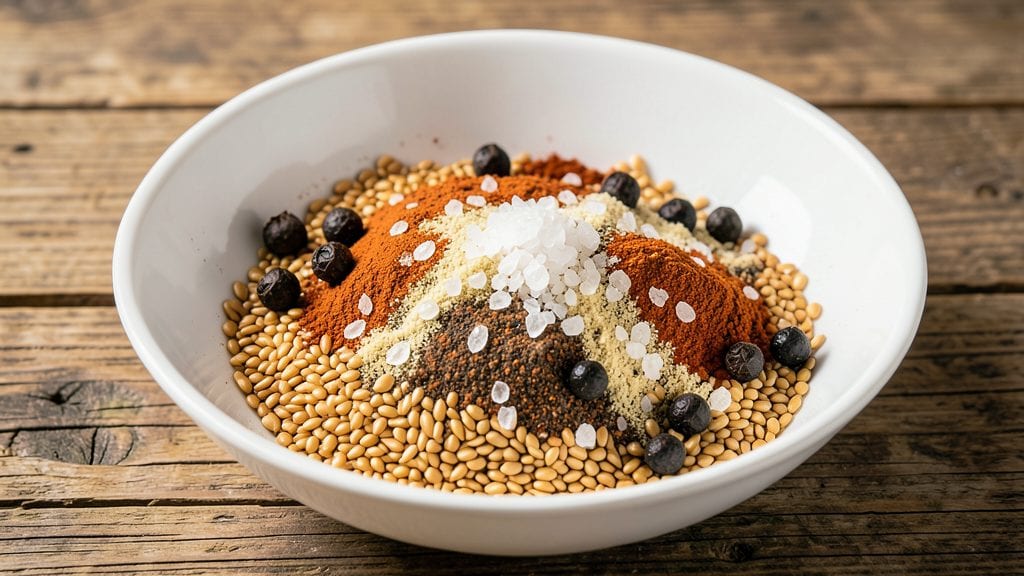
Creating a Vegeta seasoning recipe at home unlocks restaurant-quality flavor for fried foods, soups, and snacks without the artificial aftertaste. This bold umami-packed blend replicates the iconic taste using simple pantry staples—just mix, store, and sprinkle for instant depth.
I developed this version after testing countless combinations to match the signature savory-sweet balance.
The secret lies in the precise ratio of spices: smoked paprika for warmth, garlic and onion powders for aromatic foundation, and just a touch of sugar to mimic that signature caramelized note.
Unlike store-bought versions, this blend uses real spices for complex flavor that builds as it cooks. The key is toasting the spices briefly before mixing to awaken their natural oils.
What you'll end up with is a versatile seasoning that transforms ordinary dishes into something extraordinary—think crispy fried chicken with that signature golden crust, or hearty soups with layers of umami richness.
The blend keeps its potency for months when stored properly, making it a pantry essential for home cooks who crave authentic flavor without shortcuts.
Perfect for seasoning proteins, enhancing snacks, or elevating everyday meals, this Vegeta-style blend delivers professional results with just a sprinkle. Ready to make your own? Let's get started with the ingredients and instructions that follow.
Ingredients for vegeta seasoning
Nine simple spices transform into a restaurant-quality Vegeta-style seasoning blend.
| Ingredient | Amount | Notes |
|---|---|---|
| Smoked Paprika 🌶️ | 3 tbsp | High-quality, preferably Spanish smoked |
| Garlic Powder 🧄 | 2 tbsp | Freshly ground preferred |
| Onion Powder 🧅 | 2 tbsp | Non-GMO preferred |
| Granulated Sugar 🍚 | 1 tbsp | Fine grain for even distribution |
| Salt 🧂 | 1 ½ tbsp | Diamond Crystal kosher preferred |
| Ground Black Pepper 🌶️ | 1 tbsp | Freshly cracked preferred |
| Dried Oregano 🍃 | 1 tbsp | Mexican oregano for authentic flavor |
| Ground Coriander 🌿 | 1 tbsp | Toasted for enhanced aroma |
| Monosodium Glutamate (MSG) 🍜 | ½ tbsp | Optional for enhanced umami depth |
| Sesame Seeds 🌰 | 1 tbsp | Toasted for nutty depth |
The foundation of this blend lies in the smoked paprika, which provides that signature caramelized warmth. Penzeys or McCormick smoked paprika deliver the most authentic flavor profile, but any high-quality brand works. For the garlic and onion powders, Whole Foods bulk bins offer the freshest options—just ensure they're labeled 'non-GMO' to avoid artificial aftertastes. The sugar isn't just sweetness; it mimics that signature caramelization you find in traditional Vegeta. Domino or C&H fine granulated sugar dissolves evenly without graininess. Toasting your spices briefly in a dry pan before mixing awakens their natural oils, intensifying the umami impact. This step is non-negotiable for professional results.
No MSG on hand? Soy sauce or fish sauce at half the amount adds umami depth without altering the blend's dry texture. Substituting regular oregano for Mexican oregano? Use double the amount—it lacks the citrusy brightness of the authentic variety. For coriander, ground cumin at half the amount provides a similar earthy backbone. Sesame seeds can be swapped for toasted sunflower seeds, though the flavor will differ slightly. The blend's potency comes from its precision—don't adjust ratios unless you're targeting a specific heat or sweetness level. Store-bought Vegeta seasoning often contains anti-caking agents; this homemade version avoids those entirely for a purer flavor experience.
This blend maintains its potency for up to 12 months when stored in an airtight container away from light and moisture. For maximum freshness, transfer to a amber glass jar with a tight-sealing lid—plastic containers can absorb odors over time. The toasted spices release their oils more readily when stored this way, preserving that restaurant-quality depth. Portion into smaller containers if you won't use the full batch quickly; the spices lose their punch when exposed to air. Freezing isn't recommended as it can alter the texture, but if you must, use within 6 months for optimal results.
Why You'll Love This Recipe
- No-Measure Guessing: I just eyeball it—pinch of this, dash of that—until it smells right. That smoky depth from the paprika alone makes me pause mid-stir, and honestly? The sugar’s there to balance the heat, but it’s the garlic and onion powders that turn it into something familiar yet exciting.
- Smoky-Sweet Magic: Between us, this isn’t just seasoning—it’s a flavor bomb. The smoked paprika gives it that campfire warmth, while the sugar cuts through it like a secret handshake. Sprinkle it on roasted veggies or eggs, and suddenly everything tastes like it’s been slow-cooked for hours.
- Pantry Staple Hack: I keep this in my cabinet year-round because it’s the ultimate shortcut. Need to jazz up store-bought chicken? Done. Boring rice? Fixed. Even my picky teenager grabs it for tacos now—(yes, even on a Tuesday night)—because it’s that universally loved.
- Lasts Forever, Costs Nothing: A little goes a long way, and since it’s just spices and sugar, it’s cheap enough to make without guilt. I’ve had a jar sit for months, and it still packs the same punch. Plus, no fancy storage—just shake and sprinkle. My budget (and my taste buds) thank me.
Step-by-step instructions for Vegeta seasoning recipe
This umami-packed blend transforms any protein into a restaurant-worthy dish with minimal effort.
Toast the Sesame Seeds for Nutty Depth
Heat a dry skillet over medium heat and add the 1 tablespoon sesame seeds. Toast them for 2-3 minutes, stirring constantly, until they develop a rich, golden-brown color and release their fragrant aroma. You'll notice the seeds darken slightly and begin to pop—this indicates they're ready. Immediately transfer them to a small bowl to cool completely before grinding. Toasting enhances their nutty flavor and prevents bitterness in the final blend.
I use a small skillet for this step to ensure even toasting without burning. If you don't have a skillet, a dry toaster works well too. Just monitor closely—the seeds can go from perfect to burnt in seconds. Once cooled, you'll want them to be completely room temperature before proceeding to avoid moisture in your seasoning.
Combine Dry Ingredients in a Mortar or Food Processor
In a clean mortar and pestle—or a high-powered food processor—add the cooled sesame seeds along with the 3 tablespoons smoked paprika, 2 tablespoons garlic powder, 2 tablespoons onion powder, 1 tablespoon granulated sugar, 1.5 tablespoons salt, 1 tablespoon ground black pepper, 1 tablespoon dried oregano, and 1 tablespoon ground coriander. For the food processor method, pulse in short bursts to avoid overheating the spices, which can dull their flavors.
This combination creates a complex flavor profile where each spice contributes its unique character. The smoked paprika provides depth, while the garlic and onion powders build the savory foundation. The sugar balances the saltiness, and the oregano and coriander add layers of earthy warmth. I recommend using a food processor for even distribution, especially if you're making this for a large batch or plan to store it for future use.
Incorporate the MSG for Enhanced Umami
Once the dry ingredients are thoroughly combined, add the 0.5 tablespoon monosodium glutamate (MSG). This small but critical addition amplifies the umami flavor, making your seasoning truly exceptional. Mix it in gently to distribute evenly—MSG dissolves quickly into the dry blend, so a few seconds of stirring is all you need. The blend should now have a fine, uniform texture with no visible clumps of individual spices.
MSG is often misunderstood, but in this context, it acts as a flavor enhancer rather than a standalone seasoning. It works synergistically with the other ingredients to create a more complex, satisfying taste. If you're sensitive to MSG or prefer to avoid it, you can omit this step, though the seasoning will be slightly less intense. For best results, use freshly ground spices and the MSG immediately after mixing to preserve maximum flavor.
Store Properly for Long-Term Use
Transfer the finished seasoning to an airtight container, such as a glass jar or resealable plastic bag. Store it in a cool, dark place like your pantry or refrigerator for up to 3 months, or freeze it for up to 6 months to preserve its potency. The airtight seal is crucial—it prevents moisture absorption, which can clump the spices and dull their flavors over time.
When ready to use, shake the container well before each application to ensure even distribution of the spices. This seasoning works beautifully on grilled meats, roasted vegetables, or even as a finishing rub for seafood. For best results, apply it generously—this blend is bold and designed to stand out. If you notice the spices losing their aroma before the storage period ends, simply toast them lightly in a dry pan to revive their flavor.
Pro Tips For Making Vegeta Seasoning
- STORE POWDERS DRY: I learned this the hard way—humidity turns garlic and onion powders into clumpy gunk. Keep them in airtight containers with a silica packet (yes, the ones that come with electronics work) or transfer to small jars with tight seals. If you already have damp spices, spread them on a baking sheet and warm at 200°F for 10 minutes to revive them.
- SIFT THE SMOKED PAPRIKA: Smoked paprika has a nasty habit of forming hard clumps, and those end up in your mix unevenly. Give it a quick sift through a fine-mesh strainer before measuring—it’s worth the extra 10 seconds to avoid gritty texture. (Pro move: Use a folded coffee filter if you don’t have a sifter.)
- WEIGH THE SUGAR: Granulated sugar compacts when scooped, so volume measurements throw off the balance of flavors. Use a kitchen scale for precision—aim for 1 part sugar to 4 parts total powder mix. I know, I know, it’s one more step, but the sweetness will taste more intentional.
- TOAST THE GARLIC POWDER: Sounds weird, but it works: Lightly toast the garlic powder in a dry pan over medium heat for 30 seconds before mixing. The aroma deepens instantly, giving your seasoning that restaurant-quality punch. (Skip this if you’re using pre-toasted garlic powder—just double-check the label.)
Flavor customization for these flavors
Spicy Heat Level
Want to turn up the heat? Swap ½ tablespoon of the smoked paprika for cayenne pepper or chili powder. For a smoky kick, replace 1 tablespoon of the garlic powder with smoked garlic powder.
I love adding ½ teaspoon crushed red pepper flakes for a subtle but noticeable burn that pairs perfectly with fried foods. 🌶️
Sweet & Tangy Twist
Balance the savory notes by adding ½ teaspoon citric acid (like Real Lemon brand) or a pinch of powdered ginger for brightness. For a caramelized touch, increase the sugar to 1.5 tablespoons and toast the blend for 2 minutes in a dry pan before storing.
This mimics the deeper sweetness found in some commercial Vegeta-style blends.
Herb-Forward Variations
Swap ½ tablespoon dried oregano for thyme or rosemary for an earthy, Mediterranean-inspired twist. For a Thai-inspired version, replace 1 tablespoon coriander with ground lemongrass and add ½ teaspoon ground turmeric. These adjustments keep the umami core while introducing new aromatic profiles that work beautifully on grilled proteins.
Low-Sodium Adaptation
Reduce the salt to 1 teaspoon and boost umami with 1 teaspoon nutritional yeast (like Bragg brand) or ½ teaspoon white miso powder. For extra depth, add ½ teaspoon fish sauce powder (available at Asian markets).
This version maintains flavor without the sodium overload, making it ideal for heart-healthy diets.
Smoky BBQ Fusion
Replace 1 tablespoon smoked paprika with 1 tablespoon chipotle powder and add ½ teaspoon ground cumin for a smoky-sweet BBQ-inspired blend. This works amazingly on pulled pork, grilled chicken, or even roasted vegetables. For extra richness, sprinkle with ½ teaspoon coffee granules before storing—it deepens the caramelized notes. 🔥
Sweet & Spicy Snack Mix
Cut the salt to 1 teaspoon and add 1 teaspoon cinnamon and ½ teaspoon cinnamon for a sweet-spicy profile perfect for roasted nuts or popcorn. For extra crunch, mix in 1 tablespoon toasted coconut flakes before storing.
This variation is a crowd-pleaser for game day snacks or movie nights, offering a unique twist on classic seasoning blends.
Nutrition facts
Frequently asked questions
Can I make this seasoning without MSG?
While MSG enhances the umami depth, you can omit it entirely. For a similar effect, add ½ teaspoon soy sauce powder or ¼ teaspoon fish sauce powder to the blend. The seasoning will still deliver bold flavor—just slightly less intense.
How much seasoning should I use per pound of meat?
For fried or grilled proteins like chicken or pork, use 1-2 teaspoons per pound. For roasted vegetables or soups, reduce to ½ teaspoon per pound to avoid overpowering. Always adjust to taste—this blend is potent!
Why does my homemade blend taste weaker than store-bought?
Freshness matters! Toast your spices before mixing to awaken their oils, and store in an airtight glass jar away from light. If flavor fades, toast the blend lightly in a dry pan for 1-2 minutes to revive it. Commercial versions often include anti-caking agents that boost perceived potency.
Can I use this seasoning on seafood?
Yes, but with caution. The blend's bold spices work well on firm fish like salmon or tuna, but delicate varieties (like flounder) may absorb too much flavor. Use ½ teaspoon per pound and pair with citrus to balance the richness. For shrimp or scallops, a light sprinkle (¼ teaspoon) works best.
What’s the best way to revive stale seasoning?
Toast the blend in a dry skillet over low heat for 2-3 minutes, stirring constantly, until fragrant. Let cool completely before storing again. This reactivates the spices' natural oils. For extra potency, add ¼ teaspoon toasted sesame seeds to the revived mix.