
Beverages
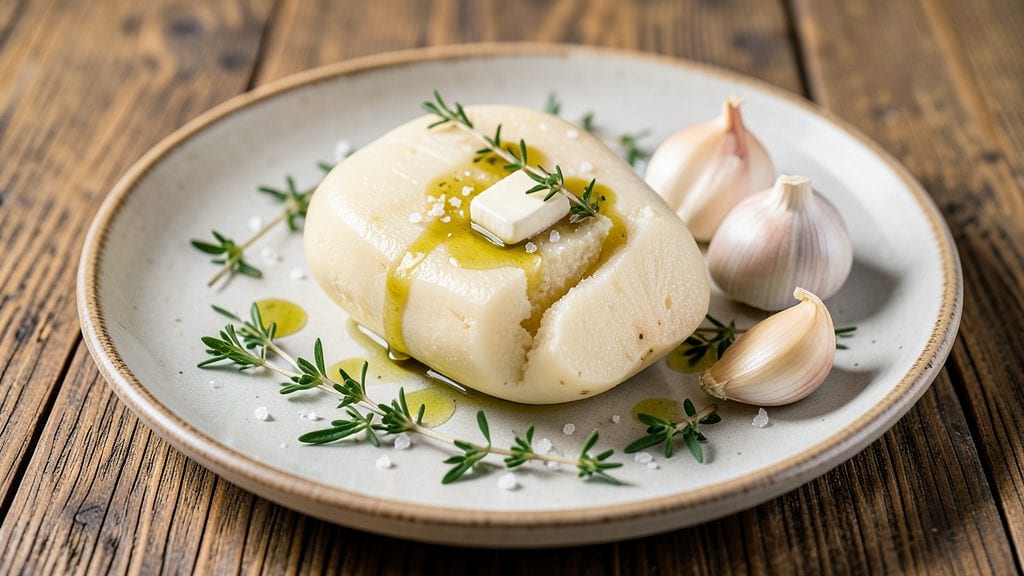
This white malanga recipe transforms a humble Caribbean staple into a versatile, steamed delight that pairs perfectly with everything from grilled fish to spicy stews. The key lies in its tender, slightly nutty texture when cooked just right—neither mushy nor underdone.
I first discovered malanga during a trip to Jamaica, where it was served as a simple but essential side dish, and I’ve since adapted it into a standout component for modern meals.
What makes this recipe special is its simplicity: just one main ingredient, minimal prep, and a foolproof steaming method that delivers restaurant-quality results at home. Unlike boiled potatoes, malanga holds its shape beautifully while absorbing flavors—ideal for absorbing Caribbean-inspired marinades or herby butter.
The process takes about 20 minutes, making it perfect for busy weeknights or last-minute meal prep.
When prepared correctly, white malanga emerges with a creamy, almost buttery interior and a crisp edge, especially when steamed in its skin. This texture makes it ideal for mashing into a side dish, slicing for salads, or even frying for a crispy twist.
The versatility doesn’t stop there—it’s a blank canvas for bold flavors, whether you’re pairing it with jerk seasoning, coconut milk, or a simple garlic butter.
For those new to malanga, start with the steamed method before experimenting with roasting or air-frying. The dish shines as a standalone side or as part of a larger spread, proving that traditional Caribbean flavors can elevate any meal. Let’s get cooking!
Ingredients for white malanga
Caribbean roots meet modern technique in this steamed malanga recipe.
| Ingredient | Amount | Notes |
|---|---|---|
| White Malanga Tubers 🥔 | 1 ½ lb | Medium-sized, unpeeled for steaming |
| Extra-Virgin Olive Oil 🫒 | 2 tbsp | For light brushing before steaming |
| Fresh Thyme Leaves 🌿 | ¼ cup | Chopped, for aromatic steaming |
| Garlic Cloves 🧄 | 3 cloves | Minced, for flavor infusion |
| Unsalted Butter 🧈 | 2 tbsp | Full-fat, for finishing |
| Diamond Crystal Kosher Salt 🧂 | ½ tsp | Fine grain, for seasoning |
| Freshly Ground Black Pepper 🌶️ | ¼ tsp | Freshly cracked for brightness |
| Lemon Zest 🍋 | 1 tsp | Bright citrus accent |
| Scotch Bonnet Pepper 🔥 | ½ whole | Optional, for heat (seeds removed) |
| Fresh Cilantro 🌱 | ⅛ cup | Chopped, for garnish |
| Water 💧 | 2 cups | For steaming reservoir |
The star of this dish is the white malanga tubers, which should be firm and unblemished when purchased. Caribbean specialty markets or well-stocked Latin grocery stores like H Mart or Whole Foods carry them year-round, though they're seasonal in many areas. Opt for medium-sized tubers—around 1.5 pounds—as they steam more evenly. If you can't find fresh malanga, frozen malanga works in a pinch, though steaming times may vary slightly. The key to perfect texture lies in selecting tubers with smooth, unbroken skin—this ensures they'll steam uniformly without splitting. For optimal flavor, look for malanga that's been stored in a cool, dark place, as exposure to light can dull its natural sweetness.
When it comes to substitutions, fresh thyme is non-negotiable for authentic flavor, though dried thyme at one-third the amount works in emergencies. The Scotch Bonnet pepper adds heat but can be omitted entirely or swapped for half a jalapeño if you prefer milder spice. For those avoiding citrus, orange zest offers a comparable brightness. The extra-virgin olive oil is crucial for brushing the tubers before steaming—avoid vegetable oil, as its neutral flavor won't complement the malanga's natural nuttiness. If you're preparing this for a larger crowd, double the batch and steam in batches to maintain even cooking. The fresh cilantro garnish can be skipped if you're serving this as a side to spicy dishes, but it adds a lovely contrast when included.
Properly steamed malanga keeps beautifully in the refrigerator for up to 5 days, though its texture degrades after 2 days if not reheated carefully. For longer storage, freeze cooked malanga in a single layer before transferring to a sealed container—it maintains its texture for up to 3 months. When reheating, steam again briefly (3-5 minutes) to restore its creamy interior. This dish reheats exceptionally well, making it perfect for meal prep—portion into individual containers and store with a spritz of lemon juice to preserve color. For best results, serve immediately after steaming while the edges remain crisp and the interior stays tender. The butter finishing should be added just before serving to prevent over-softening.
Why You'll Love This Recipe
- That’s the secret: roasting the malanga until the edges caramelize while the inside stays velvety. The thyme leaves perfume every bite, and the garlic? It’s like a little flavor bomb. Honestly, it’s the kind of dish that makes you pause mid-bite just to savor it.
- One-Pot Magic: I swear by this recipe when I’m too tired to wash pots. Peel the malanga, toss it in olive oil with garlic and thyme, and let the oven do the work—no flipping, no fuss. The butter melts right into those tender slices, turning them into something so rich, you’d never guess it took no effort.
- Crispy-Creamy Dream: That’s the secret: roasting the malanga until the edges caramelize while the inside stays velvety. The thyme leaves perfume every bite, and the garlic? It’s like a little flavor bomb. Honestly, it’s the kind of dish that makes you pause mid-bite just to savor it.
- Weeknight to Dinner Party: Between us, this recipe works for everything. Serve it as a side with grilled fish on a Tuesday, or pile it onto a platter for guests—no one will question why it’s so simple. (Yes, even on a Tuesday night.) The butter and olive oil combo gives it that restaurant-quality sheen without the pretension.
Step-by-step instructions for Caribbean-inspired steamed white malanga
This method transforms simple white malanga into a fragrant, tender Caribbean delicacy with perfect texture every time.
Prepare the Malanga for Steaming
Begin by thoroughly washing the 1.5 lb white malanga tubers under cold water to remove any dirt from their rough skin. Using a sharp chef's knife, carefully trim off both ends to create flat surfaces that will sit securely on the steamer rack. This also prevents the tubers from rolling during cooking.
Peel the skin away using a vegetable peeler, working from the top downward to remove the fibrous outer layer completely. The malanga should reveal a pale, starchy interior with no remaining skin. Cut each tuber lengthwise into 4 equal wedges, ensuring each piece maintains its natural shape. Arrange the wedges in a single layer on a plate and lightly brush all surfaces with the 2 tbsp extra-virgin olive oil. This creates a subtle barrier that helps maintain moisture during steaming.
Create the Aromatic Steaming Base
In a large, heavy-bottomed pot with a tight-fitting lid, combine the 2 cups water with the 0.25 cup chopped fresh thyme leaves and the 3 minced garlic cloves. Bring to a gentle simmer over medium heat until small bubbles form around the edges of the pot. The water should be steaming vigorously but not boiling hard—this creates the perfect moist environment for tender malanga.
Place a steamer basket or colander with holes slightly larger than the malanga wedges into the pot, ensuring it sits above the water level. The steam should circulate freely around the malanga without direct contact with the water. This indirect method prevents the tubers from becoming waterlogged while allowing them to absorb the aromatic thyme and garlic flavors.
Steam to Perfect Tenderness
Arrange the oiled malanga wedges in a single layer in the steamer basket, leaving about ½ inch between each piece for even heat circulation. Cover the pot tightly with the lid and steam over medium heat for 25-30 minutes. You'll know the malanga is perfectly cooked when a paring knife slides in easily with just gentle pressure—no resistance should be felt.
During the last 5 minutes of steaming, add the 0.5 whole Scotch bonnet pepper (seeds removed) to the water below if using for heat. The malanga will absorb subtle hints of its smoky, fruity character without becoming overly spicy. Remove the pot from heat and let the malanga rest in the basket for 10 minutes, covered, to allow residual heat to finish cooking the centers.
Finish with Butter and Citrus
While the malanga rests, melt the 2 tbsp unsalted butter in a small saucepan over low heat until it foams. Immediately remove from heat and stir in the 1 tsp lemon zest and the 0.5 tsp diamond crystal kosher salt. The butter should develop a fragrant aroma with bright citrus notes and a touch of saltiness.
Transfer the steamed malanga to a serving platter and drizzle generously with the lemon-butter mixture. Using a pastry brush, spread the butter evenly over all surfaces, allowing it to soak into the tender flesh. Sprinkle with the 0.25 tsp freshly ground black pepper and the 0.125 cup chopped fresh cilantro just before serving. The malanga should have a delicate, buttery aroma with visible flecks of lemon zest and fresh herbs.
Serve Immediately with Proper Technique
Slice the malanga wedges lengthwise into ½-inch thick pieces for serving. The interior should be fluffy and tender with a slight resistance when pressed—a hallmark of perfectly steamed malanga. Arrange the slices on a platter with the buttery lemon sauce pooling attractively around them.
Serve immediately while still warm, as the texture begins to firm up as it cools. Pair with grilled seafood or a simple coconut curry for an authentic Caribbean experience. The malanga's mild sweetness complements the bright citrus and aromatic thyme beautifully, creating a dish that's both comforting and sophisticated.
Pro Tips For Making White Malanga
- PEEL AND SLICE THIN: White malanga’s skin is tough and fibrous—don’t waste time peeling it raw. Instead, slice it thinly (about ¼-inch thick) with a sharp knife, then peel each slice right before cooking. This keeps the texture tender and saves you from wrestling with stubborn skin later.
- SWEAT GARLIC LOW AND SLOW: High heat burns garlic faster than you can blink. Cook the minced cloves in olive oil over medium-low until they’re pale gold—not brown—about 3-4 minutes. This keeps the flavor sweet and mellow, not bitter, so it blends seamlessly with the malanga’s natural starch.
- DON’T OVERCROWD THE PAN: I learned this the hard way—packing too many malanga slices into the pan steams them instead of browning. Leave at least ½-inch between each piece. If needed, work in batches, but resist the urge to rush. Crispy edges are worth the patience.
- FINISH WITH COLD BUTTER: Tossing the cooked malanga with butter while it’s still piping hot sounds logical, but it melts too fast. Instead, let the pan cool for just 30 seconds, then add the butter and thyme. The residual heat will coat everything evenly, giving you that rich, glossy finish without turning the dish greasy.
Perfect pairings for this recipe
Caribbean-Inspired Sides
Pair your steamed malanga with grilled jerk chicken—the smoky, spicy flavors of the jerk marinade contrast beautifully with malanga's tender sweetness. I love serving it alongside conch fritters for a coastal Caribbean spread. The crispy exterior of the fritters balances the malanga's creamy texture perfectly. 🌴
Protein Pairings
For a complete meal, serve with blackened mahi-mahi—the charred crust and citrusy marinade cut through the malanga's richness. I also recommend slow-cooked pulled pork with a tangy pineapple glaze, which adds a sweet-and-sour contrast. The malanga's mild flavor makes it an ideal canvas for bold proteins. 🍖
Sauce Complements
Drizzle with mango-habanero salsa for a tropical heat balance—the sweet mango and fiery habanero elevate the dish. Alternatively, a creamy coconut curry sauce adds richness.
I keep a small bowl of lime crema (sour cream mixed with lime juice and cilantro) on the side for guests who prefer a cooler contrast. 🥭
Beverage Pairings
Sip on rum punch—a classic Caribbean cocktail with dark rum, pineapple juice, and lime—for a festive touch. For non-alcoholic options, ginger beer with a squeeze of lime refreshes the palate. The effervescence helps cleanse the richness of the malanga and butter. 🍹
Modern Twists
For a contemporary take, serve malanga as a tropical salad base—toss with diced mango, avocado, and a lime-cilantro dressing. The malanga's texture holds up well to cold dishes. I also love pairing it with air-fried plantains for a crispy contrast that keeps the meal exciting. 🌿
Seasonal Adaptations
In summer, add grilled shrimp skewers with a lime-butter sauce. For winter, pair with slow-braised short ribs and a side of black beans for hearty comfort. The malanga's versatility makes it perfect for any season—just adjust the heat level with Scotch bonnet or jalapeño. ❄️
Nutrition facts
Frequently asked questions
Can I substitute malanga for yuca or taro in recipes?
While they're all root vegetables, malanga has a distinct texture and flavor. It's creamier than yuca and slightly sweeter than taro, making it ideal for steaming or mashing. For best results, stick with malanga in Caribbean-inspired dishes, but you can use yuca as a rough substitute if needed—just expect a firmer texture.
How do I know when malanga is fully cooked?
Perfectly cooked malanga should be tender with a slight resistance when pressed with a fork. A paring knife should slide in easily with just gentle pressure. Overcooked malanga becomes mushy, while undercooked pieces feel firm and resistant. Steaming for 25-30 minutes usually does the trick!
What's the best way to store leftover steamed malanga?
Store in an airtight container in the refrigerator for up to 5 days. For longer storage, freeze cooked malanga for 3 months. Reheat by steaming for 3-5 minutes to restore its creamy texture. Avoid microwaving, as it can make the malanga gummy.
Can I make this recipe without a steamer basket?
Yes! Use a colander or even a metal strainer with holes larger than the malanga wedges. Place it in a pot with 1 inch of water and cover tightly. The steam will circulate just like a steamer basket. For extra flavor, add thyme and garlic directly to the water below.
What's the secret to getting crispy edges on malanga?
Brush the cut sides with extra olive oil before steaming and arrange the wedges with space between them. For extra crispiness, finish with 1 minute under a broiler after steaming. This caramelizes the natural sugars for a perfect texture contrast.