
Sauces & Condiments
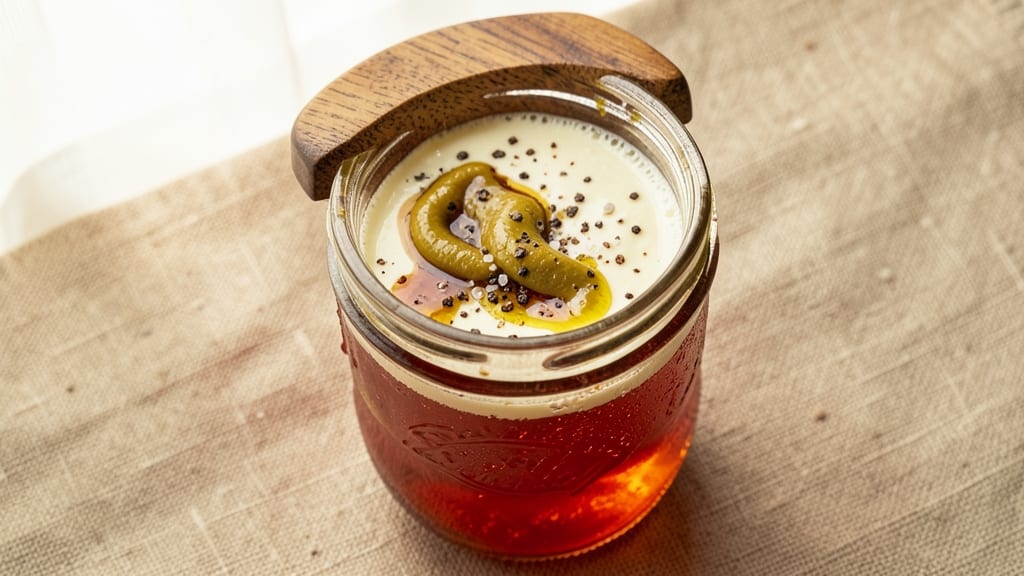
Aunt Martha's old-fashioned salad dressing recipe delivers that classic vinegar-rich tang that elevates every salad and sandwich. The secret lies in balancing sharp vinegar with smooth oil and just the right pinch of seasoning—no fancy ingredients, just pure flavor.
I first tasted this version at her summer picnics, where it transformed simple greens into something special with minimal effort.
This dressing comes together in just minutes using basic pantry staples: white vinegar, olive oil, and a few simple seasonings. The ratio is precise—equal parts vinegar and oil create that signature tangy balance, while Dijon mustard and sugar round out the flavor.
It’s the kind of dressing that stays fresh for weeks in the fridge, ready to transform any meal.
What makes this recipe truly special is its versatility. Drizzle it over fresh greens, toss it with roasted vegetables, or use it as a sandwich dip.
The dressing maintains its bright flavor even after sitting, making it perfect for meal prep. Once you try this homemade version, store-bought will never compare again.
The best part? This dressing adapts effortlessly to different tastes. Add a pinch of garlic powder for extra depth, or swap in apple cider vinegar for a fruity twist. Store it in an airtight container for up to three weeks, and you’ll always have a tangy, restaurant-quality dressing on hand.
Ingredients for aunt martha's old fashioned salad dressing
Basic pantry staples transform into Aunt Martha's signature tangy dressing—no fancy ingredients, just pure flavor.
| Ingredient | Amount | Notes |
|---|---|---|
| White Vinegar 🍶 | ¾ cup | Distilled or apple cider vinegar |
| Extra-Virgin Olive Oil 🫒 | ¾ cup | High-quality, fruity variety |
| Dijon Mustard 🥬 | 1 tbsp | Mild or strong, to taste |
| Granulated Sugar 🍚 | 1 tbsp | White or light brown sugar |
| Salt 🧂 | ½ tsp | Kosher or sea salt |
| Black Pepper 🌶️ | ¼ tsp | Freshly ground preferred |
| Garlic Powder 🧄 | ¼ tsp | Optional, for depth |
| Dried Oregano 🍃 | ¼ tsp | Optional, for herbal touch |
The vinegar is the heart of this dressing. White vinegar delivers that classic sharpness, but apple cider vinegar adds subtle sweetness and depth. For the best quality, grab a bottle from the bulk section at Whole Foods—it keeps indefinitely. The olive oil should be extra-virgin with a fruity aroma; California Olive Ranch or Colavita are reliable brands. Dijon mustard is non-negotiable here—it emulsifies the dressing better than regular mustard and adds complexity. If you're using store-bought, check the ingredients for additives; Maille is a solid choice, but even the basic grocery store brands work fine.
No Dijon mustard? Yellow mustard at half the amount will work, though the texture won’t be as smooth. Swap white vinegar for apple cider vinegar or red wine vinegar—both add unique layers of flavor. The garlic powder and oregano are optional but recommended; they elevate the dressing from basic to memorable. For a sweeter touch, honey or maple syrup can replace sugar, though the texture may separate slightly. If that happens, just whisk it back together before using. The key is balancing the tang with richness—adjust to your taste, but start with the ratios given.
This dressing keeps beautifully in an airtight container in the fridge for up to 3 weeks. The flavors actually improve over time, deepening as the ingredients meld. For longer storage, freeze portions in ice cube trays—thaw and whisk before using. It’s perfect for meal prep: make a big batch and keep it on hand for salads, sandwiches, or even as a marinade. If the dressing separates, simply shake or whisk vigorously before serving. The ratio of vinegar to oil ensures it stays emulsified, but a quick mix always brings it back together.
Why You'll Love This Recipe
- Here’s what sold me: that perfect harmony of sharp (vinegar), rich (olive oil), and just-sweet-enough (sugar). It’s not cloying, not overpowering—it’s the kind of dressing that makes you want to eat salad with both hands. (Yes, even on a Tuesday night.)
- Five-Ingredient Magic: I swear, this is the kind of dressing that makes you question why you ever bought store-bought. Just vinegar, oil, mustard, sugar, and salt—no fancy emulsifiers or preservatives. The Dijon mustard gives it that little tangy kick that cuts through greens like butter through toast.
- Balanced in Every Drop: Here’s what sold me: that perfect harmony of sharp (vinegar), rich (olive oil), and just-sweet-enough (sugar). It’s not cloying, not overpowering—it’s the kind of dressing that makes you want to eat salad with both hands. (Yes, even on a Tuesday night.)
- Works Anywhere, Always: This isn’t just for salads. Drizzle it on roasted veggies, toss it with pasta, or even use it to deglaze a pan. I’ve even poured it over grilled chicken like a fancy marinade. Aunt Martha’s recipe is my go-to for anything that needs a bright, punchy lift.
Step-by-step instructions for Aunt Martha's old fashioned salad dressing
This classic dressing comes together in minutes with just a whisk and patience.
Whisk Together the Vinegar and Sugar
In a medium bowl, combine the 0.75 cup white vinegar and 1 tablespoon granulated sugar. Stir until the sugar fully dissolves—you should see a smooth, slightly syrupy liquid with no graininess remaining. This step creates the foundational tang that makes this dressing so distinctive. If you're using light brown sugar, the mixture will have a subtle caramel note that pairs beautifully with the vinegar's sharpness.
I like to whisk vigorously for about 30 seconds to ensure complete dissolution. The sugar should disappear entirely, leaving a clear, glossy liquid. If you notice any undissolved sugar at the bottom after stirring, let it sit for an additional 10 seconds before proceeding—this ensures a perfectly smooth dressing without gritty texture.
Add Mustard and Seasonings
To the vinegar-sugar mixture, add the 1 tablespoon Dijon mustard, 0.5 teaspoon salt, 0.25 teaspoon black pepper, 0.25 teaspoon garlic powder, and 0.25 teaspoon dried oregano. Use a whisk to combine everything thoroughly for about 1 minute, until the mustard is fully incorporated and no dry seasoning remains.
The Dijon mustard acts as both a thickener and flavor enhancer, giving the dressing its signature depth. Here's where it gets important: don't skip the whisking. The mustard needs to emulsify completely with the vinegar to prevent separation later. You'll notice the mixture will thicken slightly as you whisk—this is normal and indicates the mustard is working its magic.
Slowly Incorporate the Olive Oil
With the whisk still in the bowl, very slowly drizzle in the 0.75 cup extra-virgin olive oil while continuing to whisk vigorously. This gradual addition is crucial—adding the oil too quickly will cause the dressing to separate. The key is patience: let the oil stream in a thin, steady line while maintaining constant whisking motion.
As you add the oil, you'll see the mixture transform from a thin liquid to a thick, creamy emulsion. This is the moment that matters: the dressing should become thick enough to coat the back of a spoon but still flow smoothly when poured. If you notice any oil pooling on top, whisk for an additional 20-30 seconds to fully incorporate it.
Taste and Adjust Seasoning
After the oil is fully incorporated, taste the dressing immediately. At this stage, it should have a perfect balance of tangy, slightly sweet, and savory flavors. If it needs more acidity, add 1-2 teaspoons of white vinegar. For extra sweetness, add ½ teaspoon granulated sugar. If the seasoning feels flat, add ¼ teaspoon salt or ⅛ teaspoon black pepper as needed.
This is where Aunt Martha's secret comes into play. The dressing should be bold enough to stand up to robust salads but not so overpowering that it masks the vegetables. I've found that most people need to add just a touch more salt—remember, you can always add more, but you can't take it out once it's in. Once you're satisfied with the flavor, give the dressing one final whisk to ensure everything is perfectly combined.
Let It Rest and Store Properly
Transfer the dressing to a clean, airtight jar or bottle. Let it sit at room temperature for at least 15 minutes before using. This resting period allows the flavors to meld together and the emulsion to stabilize. The dressing will thicken slightly as it sits—this is normal and indicates it's reaching its optimal consistency.
For best results, store any unused dressing in the refrigerator for up to 1 week. Before using, give it a good shake and let it sit at room temperature for 5 minutes to return to its proper pouring consistency. The dressing will naturally separate slightly in the fridge, but the shake will bring it right back together. This dressing keeps beautifully and tastes even better the next day as the flavors continue to develop.
Pro Tips For Making Aunt Martha'S Old Fashioned Salad Dressing
- Whisk in stages: Don’t dump everything in at once—start with vinegar and mustard, then slowly drizzle in oil while whisking. I learned this the hard way when I ended up with a gloppy mess that wouldn’t emulsify, no matter how hard I stirred.
- Use warm mustard: Scoop the Dijon straight from the fridge and let it sit for 10 minutes before mixing. Cold mustard thickens the dressing faster, making it harder to blend smoothly—warm mustard incorporates like a dream.
- Salt before sugar: Taste the vinegar-mustard mix first, then add salt to balance acidity before sweetening. Sugar masks salt, and you’ll end up guessing if the dressing needs more seasoning later. Trust me, your taste buds will thank you.
- Shake, don’t stir: If the dressing separates later, pour it into a clean jar, seal it tight, and shake like you’re mad at it. The emulsion will rebuild every time—no need to remake it. (Yes, even if you’re impatient like me.)
Make-ahead tips for this recipe
Batch Prep Strategy
Make a large batch of this dressing—it’s perfect for meal prep! Double or triple the recipe and store it in amber glass bottles (like Klean Kanteen’s 16oz bottles) to protect the oil from light.
I like to prep 2 cups at a time on Sunday mornings so it’s ready for the week ahead. The flavors actually deepen over time, making it taste even better after a few days. 💡
Freezing for Long-Term
For storage beyond 1 week, freeze the dressing in ice cube trays. Once frozen, transfer the cubes to a ziplock freezer bag with labels. Thaw overnight in the fridge, then whisk to restore the emulsion.
This method works especially well for apple cider vinegar versions, where the fruity notes stay vibrant. Just avoid freezing if you used honey—it can cause separation that’s hard to fix. ❄️
Portion Control
Use small mason jars (like Ball’s 4oz jars) for individual portions. These fit perfectly in fridge doors and keep the dressing fresh for up to 3 weeks. I mark the jars with a permanent marker to note the date—this helps track freshness.
For salads, a 2-tablespoon serving is ideal, and the jars make it easy to grab just what you need. 🍽️
Reviving Separated Dressing
If your dressing separates in the fridge (it will!), simply shake vigorously for 10-15 seconds before using. For stubborn separations, whisk in 1 teaspoon of warm water to help re-emulsify.
I’ve even used a handheld immersion blender for stubborn cases—just pulse for 3-5 seconds to restore that creamy texture. No one will ever guess it was separated! 💪
Versatile Uses Beyond Salads
This dressing isn’t just for greens! Use it as a marinade for grilled chicken (add 1 tablespoon soy sauce for extra depth) or a dipping sauce for fries.
I also love drizzling it over roasted Brussels sprouts or charred corn on the cob—the tang cuts through the richness perfectly. Store extra in a spray bottle for quick, mess-free applications. 🌶️
Travel-Friendly Packing
Pack dressing in leak-proof travel containers (like Ziploc’s 8oz containers) for picnics or road trips. The thick consistency means it won’t spill, even if the container tips. For extra security, freeze the container solid, then thaw it in your cooler—it’ll stay cold for hours.
I keep a small bottle in my car’s fridge for spontaneous salad cravings. 🚗
Nutrition facts
Frequently asked questions
Why does this dressing taste different from store-bought versions?
This classic recipe uses a balanced ratio of white vinegar and extra-virgin olive oil (equal parts) with just the right amount of sugar and Dijon mustard. Store-bought versions often contain preservatives, artificial flavors, or thickeners like corn syrup. The fresh ingredients create a brighter, more complex tang that develops even better after resting.
Can I make this dressing without Dijon mustard?
Yes! Use yellow mustard at half the amount (½ tablespoon), but expect a slightly thinner texture. For a mustard-free version, add 1 teaspoon of honey or maple syrup to help emulsify the oil. The flavor will be milder but still delicious.
How do I fix dressing that separates in the fridge?
Simply shake the bottle or jar vigorously for 10-15 seconds before using. For stubborn separation, whisk in 1 teaspoon of warm water to re-emulsify. The emulsion is designed to handle natural separation—just restore it with a quick mix! No one will notice the difference.
What are the best vegetables to pair with this dressing?
This tangy dressing works beautifully with bitter greens like romaine or arugula, but also shines on roasted vegetables (zucchini, bell peppers), grilled corn, or even as a sandwich spread. The acidity cuts through rich dishes perfectly. For extra flavor, toss with cherry tomatoes or cucumber slices.
Can I use this dressing as a marinade?
This dressing makes an excellent marinade for chicken, fish, or tofu. For extra flavor, add 1 tablespoon soy sauce or minced garlic. Marinate proteins for 30 minutes to 2 hours (no longer, as vinegar can make meat mushy). The tangy profile works especially well with grilled meats.