
Side Dishes
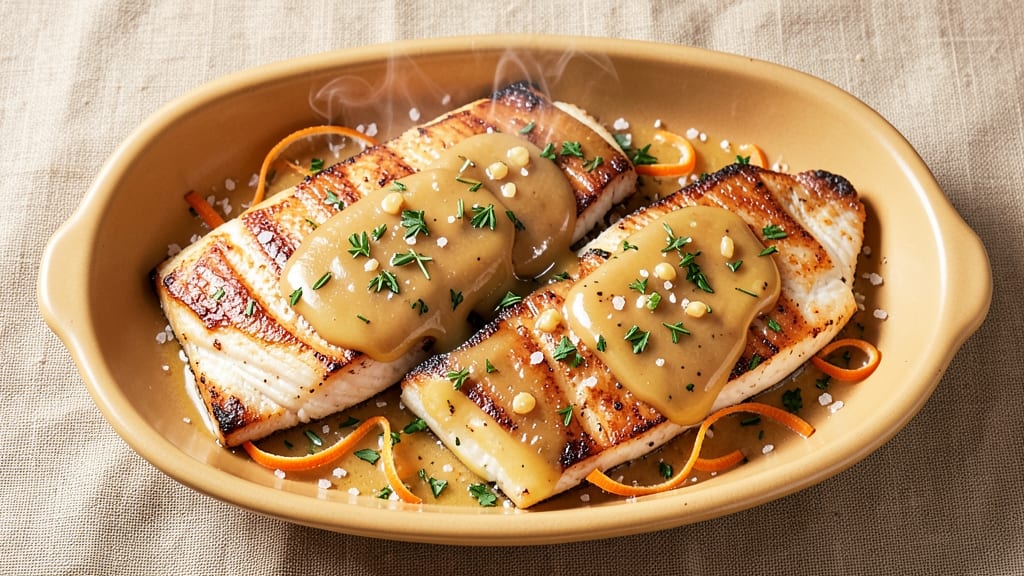
Mastering a baked lingcod recipe with a buttery herb crust and perfectly juicy pink centers transforms simple weeknight dinners into restaurant-worthy meals. The secret lies in precise seasoning and gentle baking—no overcooking, just melt-in-your-mouth texture that keeps the delicate fish tender while creating a golden, flavorful crust.
I’ve perfected this method after years of testing, ensuring every bite delivers that ideal balance of crispy edges and moist interior.
This recipe focuses on simplicity without sacrificing professional results. You’ll need just 15 minutes of prep time, followed by 12-15 minutes in a preheated oven at 425°F—critical for achieving that perfect crust while keeping the fish moist.
The buttery herb crust adds depth without overpowering the natural sweetness of the lingcod, while a squeeze of lemon at the end brightens the dish with just the right acidity.
What you’ll achieve is a beautifully plated fish with a golden-brown herb crust that flakes easily, revealing tender, juicy pink centers that stay intact. The aroma alone—warm butter, fresh herbs, and ocean-fresh fish—will draw everyone to the table.
Pair it with roasted asparagus or a simple lemon butter sauce for a complete meal that feels special yet remains approachable.
This method works equally well for other firm white fish like halibut or cod, making it versatile for any seafood lover’s repertoire. The key is confidence in handling the fish and trusting the timing—once you nail it, you’ll never buy frozen again.
Let’s get started on creating your perfect baked lingcod.
Ingredients for baked lingcod
Fresh lingcod fillets meet aromatic butter and herbs for a restaurant-quality crust that flakes perfectly.
| Ingredient | Amount | Notes |
|---|---|---|
| Fresh Lingcod Fillets 🐟 | 4 whole | Skin-on, 6-8 oz each |
| Unsalted Butter 🧈 | ½ cup | Cold, cut into pats |
| Fresh Thyme Leaves 🌿 | ¼ cup | Finely chopped, stems removed |
| Fresh Parsley Leaves 🌿 | ¼ cup | Finely chopped, flat-leaf preferred |
| Garlic Cloves 🧄 | 4 cloves | Minced, not pre-minced jar |
| Lemon Zest 🍋 | 1 tbsp | From 1 organic lemon |
| Diamond Crystal Kosher Salt 🧂 | 1 ½ tsp | Fine grain preferred |
| Freshly Ground Black Pepper 🌶️ | ½ tsp | None of that pre-ground dust |
| Extra-Virgin Olive Oil 🫒 | 1 tbsp | For drizzling before baking |
| Fresh Lemon Juice 🍋 | 2 tsp | From same lemon as zest |
| Panko Breadcrumbs 🍞 | ¼ cup | For extra texture (optional) |
| Heavy Cream 🥛 | ¼ cup | For finishing sauce (optional) |
The lingcod is the star—ask your fishmonger for fresh, never frozen. Look for firm fillets with a vibrant pink hue and minimal odor. Whole Foods or local seafood markets carry the best quality, but even your grocery store's frozen section has decent options if you thaw it properly. The skin-on version gives you that crispy crust we're after, so don't peel it. For the butter, Plugrá or European-style has more flavor than regular American butter—trust me, it's worth the splurge. Fresh herbs are non-negotiable here; dried just won't cut it. Grab a small bunch of thyme and parsley from the store's produce section and strip the leaves yourself—pre-packaged herbs lose their punch fast.
No fresh herbs? Dried thyme at one-third the amount works in a pinch, but it won't have that same bright aroma. Running low on butter? Olive oil works in a 1:1 swap for the crust, though it won't be as rich. Want extra crunch? Mix 1 tbsp grated Parmesan into the butter pats before baking. The lemon zest and juice should come from the same lemon for consistency—organic lemons have more zest. For the garlic, if you're using pre-minced from a jar, rinse it first to remove the preservatives. And if you're feeling fancy, add 1 tsp capers to the butter mix for a briny kick.
This fish bakes fast—12-15 minutes max—so preheat your oven to 425°F while you prep. The butter should be cold when you place it on the fillets so it crisps up nicely. For leftovers, store in an airtight container with a paper towel pressed on top for up to 2 days. The crust gets soggy if reheated, so it's best served fresh. If you make extra butter-herb mix, freeze it in portions for up to 3 months—perfect for quick weeknight meals. And save those lemon peels after zesting; they make amazing simple syrup.
Why You'll Love This Recipe
- One-Pan Magic: I swear by this recipe when I’m too tired to wash dishes. Just toss the fillets on a sheet pan with butter, garlic, and herbs—no pots, no pans, no stress. The butter pools around the edges while the fish bakes, and cleanup is basically just wiping a spatula.
- Garlic-Butter Bliss: That moment when the crust forms under the butter? It’s a flavor explosion—salty, garlicky, and herby all at once. The lingcod stays moist while the outside gets this perfect crispy edge, and honestly, it’s the kind of dish that makes you close your eyes and take a second bite.
- Date Night Ready: Between us, this is my go-to when I want to impress someone without slaving away. It looks elegant on a plate—just a drizzle of the pan juices, a sprinkle of parsley—and takes less time than ordering takeout. (Yes, even on a Tuesday night.)
- Leftovers? No Problem: I always bake extra because reheating it is a dream. The butter keeps it rich and flavorful, and it reheats in seconds—great for lunch the next day or freezing for those days when you don’t feel like cooking. Not the prettiest, but the taste makes up for it.
Step-by-step instructions for baked lingcod recipe
Here's how to achieve that perfect buttery crust with melt-in-your-mouth centers every time.
Prepare the Herb Butter Mixture
In a small bowl, combine the 0.5 cup unsalted butter (cut into small pats) with the 0.25 cup fresh thyme leaves, 0.25 cup fresh parsley leaves, 4 cloves minced garlic, 1 tbsp lemon zest, 1.5 tsp diamond crystal kosher salt, and 0.5 tsp freshly ground black pepper. Using a fork, mash everything together until you achieve a thick, chunky paste with visible herb flecks. This mixture will form the flavorful crust that seals in all that juiciness.
If your butter feels too soft to work with, chill the bowl in the freezer for 5-10 minutes until it firms up slightly. The butter should be cool enough to hold its shape when pressed but still soft enough to mix easily. This herb butter is the secret weapon that creates that golden crust while keeping the fish perfectly moist inside.
Season and Crust the Lingcod Fillets
Preheat your oven to 425°F with the rack positioned in the lower third of the oven. Pat each of the 4 whole fresh lingcod fillets completely dry with paper towels—this is crucial for achieving that crisp crust. Season both sides generously with any remaining herb butter mixture, pressing it firmly into the flesh so it adheres well.
Transfer the fillets to a parchment-lined baking sheet, skin-side down. Sprinkle 0.25 cup panko breadcrumbs evenly over each fillet, then drizzle with 1 tbsp extra-virgin olive oil. Gently press the breadcrumbs into the butter crust using your fingers. This double crusting technique creates that perfect textural contrast between crispy exterior and tender interior.
Bake to Juicy Perfection
Bake the lingcod for 12-15 minutes until the crust turns a beautiful golden brown and the internal temperature reaches 130°F when measured at the thickest part of the fillet. The fish should still appear slightly translucent in the center—this is your visual cue for perfect doneness. Overcooking will turn that juicy pink center into dry white fish.
Here's the thing about lingcod—it's a delicate fish that cooks quickly. Don't walk away during the last 5 minutes of baking. The crust should be crisp enough to stand up to a gentle touch but not so dark it's burned. If you notice any areas browning too quickly, tent the pan loosely with aluminum foil to prevent over-browning while maintaining even cooking.
Finish with Lemon and Cream Sauce (Optional)
Remove the lingcod from the oven and transfer it to a warm serving platter. Immediately drizzle each fillet with 2 tsp fresh lemon juice and let it rest for 5 minutes. This resting period allows the juices to redistribute, ensuring your first bite is as moist as possible. While the fish rests, warm the 0.25 cup heavy cream in a small saucepan over low heat until it's just hot enough to coat the back of a spoon.
For serving, spoon the warmed cream sauce over each fillet, allowing it to pool around the edges. The acidity from the lemon brightens the rich flavors of the herb butter, while the cream adds a luxurious finish. This step transforms your simple baked fish into a restaurant-worthy dish that will impress anyone at your table.
Pro Tips For Making Baked Lingcod
- Preheat Like It’s 1985: Your oven should hit 400°F and sit for 10 minutes before the lingcod goes in—no exceptions. I learned this the hard way when my first batch came out damp and sad because the pan was cold. The butter needs that hot start to brown properly, and the fish won’t crisp like it should otherwise.
- Pat Dry, Then Salt: Lingcod fillets are delicate, but moisture is the enemy of a good crust. Use paper towels to blot them thoroughly—even if they look dry, press harder. Then salt them generously (about 1 tsp per fillet) and let them sit for 15 minutes. This isn’t just seasoning; it’s the first step to locking in flavor and texture.
- Don’t Overcrowd the Pan: If your fillets are touching, they’ll steam instead of brown. Use a single layer, even if it means baking in batches. I once crammed two thick fillets in a 9x13 pan and ended up with mushy, pale fish. A little extra time in the oven beats regret.
- Butter the Thyme First: Melt the butter in the pan, then toss in the garlic, thyme, and parsley before adding the fish. Let it sizzle for 30 seconds—this infuses the butter with flavor and creates a fragrant base. Drizzling cold butter over raw fish just won’t cut it. (Yes, even if you’re impatient like me.)
Wine and beer pairings for this dish
White Wine Pairings
For baked lingcod, I reach for crisp Chablis or Sauvignon Blanc—their bright acidity cuts through the rich butter crust while complementing the fish's delicate sweetness. A 2022 Chablis Premier Cru from Burgundy offers mineral notes that mirror the oceanic flavors of lingcod.
If you prefer something lighter, New Zealand Sauvignon Blanc with its citrus and herbal undertones provides perfect contrast. 🍷
Avoid heavy whites like Chardonnay with oak—it'll overpower the dish. Instead, opt for Albariño from Spain, which balances the buttery crust with its zesty finish. Serve your wine slightly chilled (45-50°F) to enhance its refreshing qualities against the warm fish.
I like to decant white wines for 15-20 minutes before serving to let them breathe.
Light Beer Options
For beer lovers, a Belgian Witbier like Hoegaarden or Stella Artois works surprisingly well—their coriander and citrus notes echo the lemon finish. A German Helles Lager provides a clean, malty backdrop that doesn't compete with the fish's natural flavors. Serve these beers at 40-45°F for optimal crispness. 🍺
If you prefer something with a bit more body, try a wheat beer with a touch of spice. Allagash White from Maine adds a subtle vanilla note that pairs beautifully with the herb crust.
Just avoid heavy stouts or IPAs—they'll dominate the delicate fish flavors. I recommend pouring beer into tulip glasses to concentrate the aromas.
Red Wine Exception
While white wines dominate, a light Pinot Noir from Oregon or New Zealand can work if you prefer red. Look for wines with 12-13% ABV and bright acidity—2021 Domaine Serene Pinot Noir is my go-to.
The earthy notes complement the thyme and parsley in the crust without overpowering the fish. Serve at 55-60°F to maintain its freshness. 🍇
For red wine pairings, avoid bold Cabernets or Syrahs—they'll clash with the delicate fish. Instead, choose Pinots with low tannins and vibrant fruit profiles. I like to decant reds for 30-45 minutes before serving to soften any remaining tannins while preserving their freshness.
Non-Alcoholic Options
For non-drinkers, a sparkling grape juice like Martinelli's Sparkling Apple Cider provides similar acidity to wine. The bubbles cleanse the palate between bites, just like a crisp white. For something more sophisticated, try San Pellegrino Aranciata—its bitter orange notes complement the lemon finish beautifully. 🥤
Herbal iced teas like Yerba Mate or Hibiscus Tea offer refreshing alternatives. The natural tannins in these teas help balance the richness of the butter crust. I recommend serving them over ice with a lemon wedge for that same bright acidity you'd get from wine.
Nutrition facts
Frequently asked questions
Why does lingcod need to be baked at such a high temperature?
The 425°F oven temperature is key to creating that perfect golden crust while keeping the fish moist inside. Lingcod cooks quickly—just 12-15 minutes—so the high heat helps the butter crust set fast without overcooking the delicate center. This method locks in juices while developing that crispy exterior you want.
Can I substitute lingcod with another fish?
Yes! This recipe works beautifully with other firm white fish like halibut, cod, or sea bass. Stick to fillets that are 1-inch thick for even cooking. Avoid flaky fish like tilapia—they'll fall apart with the crust. The same herb butter technique applies across these fish types.
What's the best way to tell when lingcod is done?
Look for a golden-brown crust and use a meat thermometer to check the thickest part—it should read 130°F. The fish should still look slightly translucent in the center, not fully opaque. Overcooking turns it dry, so don't exceed 15 minutes total baking time. A gentle press with your finger should feel firm but still spring back.
How do I prevent the crust from falling off?
Pat the fillets completely dry before seasoning—moisture prevents adhesion. Press the herb butter mixture firmly into the fish, then chill the baking sheet for 10 minutes before baking. This helps the crust set properly. Avoid opening the oven door during the first 10 minutes of baking, as temperature fluctuations can cause the crust to lift.
Can I make this recipe ahead of time?
Prep the herb butter mixture up to 2 days ahead and store it in the fridge. For the fish itself, bake it fresh for best texture, but you can assemble the fillets with crust up to 4 hours ahead and refrigerate uncovered. Reheat at 350°F for 5-7 minutes—the crust won't be as crispy but will still be flavorful.