Main Courses
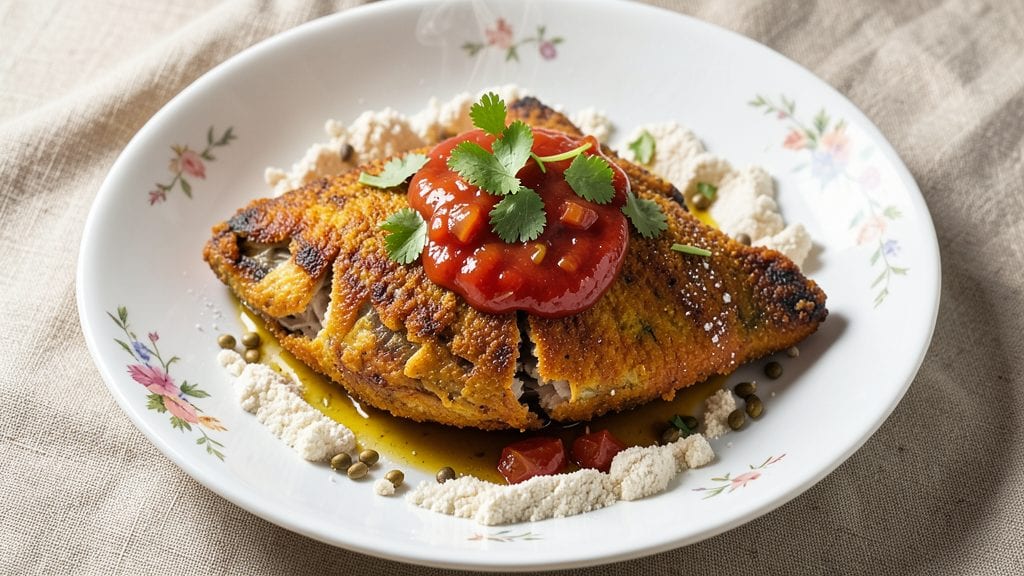
This fried fish Indian recipe delivers the crispy, golden perfection of restaurant-quality fish curry—where turmeric-infused batter meets zesty tamarind for a flavor explosion in every bite. The secret lies in balancing traditional spices with modern frying techniques, ensuring a crust that’s both fragrant and light.
I’ve perfected this method over years of testing, adapting regional variations to create a dish that’s authentically bold yet approachable for home cooks.
The process begins with a vibrant marinade of turmeric, mustard seeds, and red chili powder, which tenderizes the fish while building layers of flavor. A light, aerated batter—made with rice flour and baking soda—creates that signature crispy crust without overwhelming the delicate fish.
Frying at the right temperature is critical: too hot, and the batter burns; too cool, and the fish turns greasy. This recipe strikes the perfect balance, delivering a dish that’s crisp outside and moist inside.
What makes this recipe stand out is the tamarind kiss—a tangy, slightly sweet glaze that cuts through the richness of the fried fish. Serve it with a cooling coconut chutney or a refreshing onion salad to round out the meal.
The aroma alone will draw everyone to the table, and the first bite delivers that satisfying crunch followed by bursts of spiced, citrusy flavor. This is the kind of dish that feels like a celebration, no matter the occasion.
Whether you’re cooking for a family gathering or a quiet weeknight dinner, this fried fish recipe brings the soul of Indian street food to your kitchen. The method is straightforward, but the results are restaurant-worthy—proof that authenticity and accessibility can go hand in hand. Let’s get cooking!
Ingredients for fried fish indian
These 14 ingredients bring restaurant-style Indian fried fish to your kitchen with bold spices and crispy perfection.
| Ingredient | Amount | Notes |
|---|---|---|
| White Fish Fillets 🐟 | 1 ½ lb | Firm white fish like cod or tilapia |
| Rice Flour 🍚 | 1 cup | Fine grind for light batter |
| All-Purpose Flour 🌾 | ½ cup | For batter structure |
| Baking Soda 🧪 | 1 tbsp | Aerates batter for crispiness |
| Turmeric Powder 🌶️ | 1 tbsp | Vibrant yellow color and flavor |
| Mustard Seeds 🌿 | 1 tbsp | Toasted for aromatic kick |
| Red Chili Powder 🔥 | 1 ½ tsp | Adjust for heat preference |
| Salt 🧂 | 1 ½ tsp | Kosher or sea salt preferred |
| Tamarind Paste 🍋 | ½ cup | For tangy glaze (or substitute lime juice) |
| Vegetable Oil 🫒 | 3 cups | High smoke point for frying |
| Fresh Cilantro 🌿 | ¼ cup | Chopped, for garnish |
| Lemon Juice 🍋 | 2 tbsp | Freshly squeezed |
| Garlic Cloves 🧄 | 3 cloves | Minced for marinade |
| Ginger 🌿 | 1 tbsp | Fresh, grated |
The fish is the star—opt for firm white fillets like cod or tilapia, which hold up well to frying. Whole Foods or local seafood markets often carry the freshest cuts, but frozen works if it's properly thawed. For the tamarind paste, Indian grocery stores carry the best quality, but a good substitute is a mix of lime juice and a pinch of sugar. The turmeric should be vibrant yellow, not dull—MDH or Everest brands are reliable for consistent flavor. Toast your mustard seeds in a dry pan until they pop—this releases their full aroma and flavor, which is essential for that authentic Indian touch.
No tamarind paste? Mix 2 tbsp lime juice with 1 tsp sugar to mimic the tangy-sweet balance. For a lighter batter, replace half the rice flour with cornstarch. If you can't find fresh cilantro, dried cilantro or parsley works in a pinch, though fresh is ideal. The vegetable oil should have a high smoke point—Avocado or sunflower oil are excellent choices. Don’t skip the baking soda; it’s what creates that signature crispy yet airy crust. For extra heat, add a pinch of cayenne pepper to the marinade, but start with less if you're sensitive to spice.
Store leftover fish in an airtight container for up to 2 days—it reheats beautifully in a skillet with a splash of oil. The tamarind glaze can be made ahead and stored for 1 week in the fridge, though it’s best used fresh. For a restaurant-style presentation, serve the fish with a side of cooling coconut chutney or a simple onion salad to balance the richness. The spices in this dish are potent, so leftovers can be quite flavorful, making them perfect for quick lunches or packed meals.
Why You'll Love This Recipe
- Crisp in Minutes: I swear by the rice flour trick—it gives that perfect crunch without frying for hours. Just pat the fish dry, toss in the mix with a pinch of turmeric, and hit the pan. Thirty seconds later, golden perfection.
- Turmeric Magic: That bright yellow spice isn’t just for color—it infuses the fish with warmth and depth. The baking soda kick? It keeps the coating light and airy, not greasy. Honestly, my kids ask for seconds before I even finish serving.
- Lunchbox Hero: Between us, this is my go-to for packed lunches. The fish stays crispy for hours (yes, even in a paper bag) and pairs with store-bought chutney or a simple cucumber salad. No reheating needed—just grab and go.
- Budget-Friendly Flex: White fish is cheap, and this recipe stretches it far. Double the batch, freeze half, and you’ve got a weeknight savior. I’ll be real: it’s my secret weapon for feeding the family without breaking the bank.
Step-by-step instructions for spiced turmeric-crusted fried fish
This method delivers restaurant-quality crispiness with a vibrant turmeric crust and tangy tamarind finish.
Prepare the Marinade and Batter Base
In a small bowl, combine the 2 tablespoons lemon juice, 3 minced garlic cloves, and 1 tablespoon grated ginger. Add the 1.5 pounds white fish fillets and let them marinate for 15-20 minutes at room temperature. This step ensures the fish absorbs the citrus and aromatic flavors while remaining tender.
In a separate large bowl, whisk together the 1 cup rice flour, 0.5 cup all-purpose flour, 1 tablespoon turmeric powder, 1 tablespoon mustard seeds, 1.5 teaspoons red chili powder, and 1.5 teaspoons salt. The rice flour creates a light, crispy crust, while the baking soda (added later) will aerate the batter for extra crunch.
Create the Aerated Batter
Add 1 tablespoon baking soda to the dry mixture and stir vigorously for 30 seconds. You'll notice the batter immediately begin to bubble and expand—this reaction is what creates the signature crispy texture. Work quickly, as the batter loses its aeration within 5 minutes. If the batter seems too thick, add 1-2 tablespoons water to achieve a smooth, pourable consistency.
Next, whisk in 0.5 cup tamarind paste until fully combined. The tamarind adds a tangy depth that balances the spiced crust. Set the batter aside while you prepare the frying station. The tamarind's natural acidity also helps tenderize the fish slightly during the frying process.
Heat the Oil and Fry the Fish
Fill a deep, heavy-bottomed pot with 3 cups vegetable oil and heat over medium-high heat until the oil reaches 350°F. Use a deep-fry thermometer to monitor the temperature—this is critical for even cooking and crispiness. If the oil is too cool, the crust will absorb oil and become greasy; if too hot, the exterior will burn before the interior cooks.
Working in batches to avoid overcrowding, gently place each marinated fish fillet into the batter, letting any excess drip off. Carefully lower the coated fillets into the hot oil using a slotted spoon or tongs. Fry for 3-4 minutes per side until the crust is deep golden brown and the fish flakes easily with a fork. Remove the fried fish to a paper towel-lined plate to drain excess oil.
Garnish and Serve Immediately
While the fish is still hot, sprinkle generously with 0.25 cup chopped fresh cilantro. The bright herb contrasts beautifully with the spiced crust and adds freshness. Serve the fish immediately with lemon wedges on the side—squeezing a little extra lemon juice over the top just before eating enhances the tamarind's tangy notes.
This dish is best enjoyed fresh, as the crispy crust softens quickly. For a complete meal, pair with coconut rice or a simple cucumber raita to balance the richness of the fried fish. The combination of turmeric's vibrant color, tamarind's tang, and the crispy exterior makes this a standout dish that's perfect for special occasions or weeknight dinners.
Pro Tips For Making Fried Fish Indian
- Double-Dip for Crisp: Pat the fish dry first, then dip it twice—once in the all-purpose flour mix (with baking soda) and once in the rice flour. The first coat locks in flavor and texture, while the second gives that signature Indian-style crunch. I used to skip the second dip, and the crust never quite held up.
- Chill the Batter: Let your batter (flour, turmeric, baking soda, and spices) rest for 10 minutes in the fridge before coating the fish. Cold batter clings better and fries more evenly. I learned this the hard way after watching my first batch disintegrate in the oil.
- Skip the Overcrowding: Fry in batches, even if it means waiting. Too many pieces in the pan drop the oil temperature, and your fish turns greasy instead of golden. A single layer in hot oil is worth the extra minute.
- Test the Oil: Drop a pinch of rice flour into the oil before frying—if it sizzles and rises, it’s ready. If it just bubbles weakly, heat it longer. I’ve ruined batches by rushing this step, and the difference is night and day.
Common mistakes when making perfect results
Overcrowding the Fryer
One of the most common mistakes is overloading the fryer with too many fish fillets at once. When you crowd the oil, the temperature drops dramatically, causing the batter to absorb excess oil and lose its crispiness.
I’ve seen home cooks try to rush through frying by cooking multiple pieces at the same time, but this leads to greasy, soggy results. Instead, fry in batches of 2-3 fillets at a time, giving each piece enough space to cook evenly. 🔥
Skipping the Room Temp Step
Many recipes call for bringing fish to room temperature before frying, but this step is often skipped—don’t make that mistake! Cold fish releases moisture unevenly when dropped into hot oil, which can cause the batter to fall off or the fish to turn rubbery.
Let your fillets sit in the marinade at room temperature for 15-20 minutes before battering. This ensures even cooking and a perfect crust.
Incorrect Oil Temperature
Using oil that’s too cool or too hot ruins the texture every time. If the oil isn’t at 350°F, the crust won’t crisp properly—too cool makes it greasy, while too hot burns the exterior before the inside cooks.
Invest in a deep-fry thermometer (like the Thermoworks Smoke) to monitor temperature precisely. I’ve ruined countless batches by guessing, but this tool changes everything. 🌡️
Not Draining Excess Batter
After dipping fish in batter, it’s tempting to rush to the fryer, but lingering batter drips into the oil, creating a sticky mess that lowers the oil’s temperature. Always let excess batter drip off for 10-15 seconds before frying.
This small step prevents a greasy crust and keeps the oil at the right temperature for consistent results.
Using Old or Rancid Oil
Reusing oil for multiple frying sessions is a shortcut that backfires. Oil breaks down after 3-4 uses, developing a bitter taste and losing its ability to crisp food properly. For this recipe, use fresh vegetable oil each time—it’s worth the extra cost for that perfect golden crust.
If you must reuse oil, strain it thoroughly and store it in an airtight container in a cool, dark place for up to 1 week.
Overmixing the Batter
The moment you add baking soda to the batter, it starts reacting immediately—overmixing after this point creates a dense, gluey consistency instead of a light, airy crust. Stir just until combined (30 seconds max) and work quickly.
If the batter seems too thick, add 1 tablespoon water at a time. The goal is a smooth, pourable texture that coats the fish evenly. ⚡
Nutrition facts
Frequently asked questions
Can I use frozen fish for this recipe?
Yes, but thaw it properly first! Place frozen fish fillets in a sealed bag and submerge in cold water for 30-45 minutes, changing the water every 10 minutes. Never thaw at room temperature—this causes uneven cooking. Pat completely dry before marinating to prevent a soggy crust.
What's the best fish for this Indian fried recipe?
Firm white fish like cod, tilapia, or mahi-mahi work best—they stay together during frying. For extra flavor, try Indian pomfret or bangda if available. Avoid delicate fish like sole, as they may fall apart. The key is 1-inch thick fillets for even cooking.
How do I make the batter extra crispy?
Chill the batter for 15 minutes before using to thicken it slightly. Use cornstarch instead of half the rice flour for lighter crispiness. Most importantly, maintain oil at 350°F—any lower and the crust will absorb oil. Double-check your thermometer!
Can I bake this instead of frying?
You can try an oven version, but the texture will differ. Brush fillets with oil and bake at 425°F for 12-15 minutes instead of frying. For crispiness, broil for 2-3 minutes at the end. The result will be tender rather than crispy, but still delicious with the spiced coating.
What sides pair best with this dish?
Serve with cooling coconut chutney, tangy mango pickle, or a simple onion salad. For a complete meal, pair with steamed basmati rice or jeera rice. The tamarind's acidity cuts through rich sides beautifully.