
Desserts
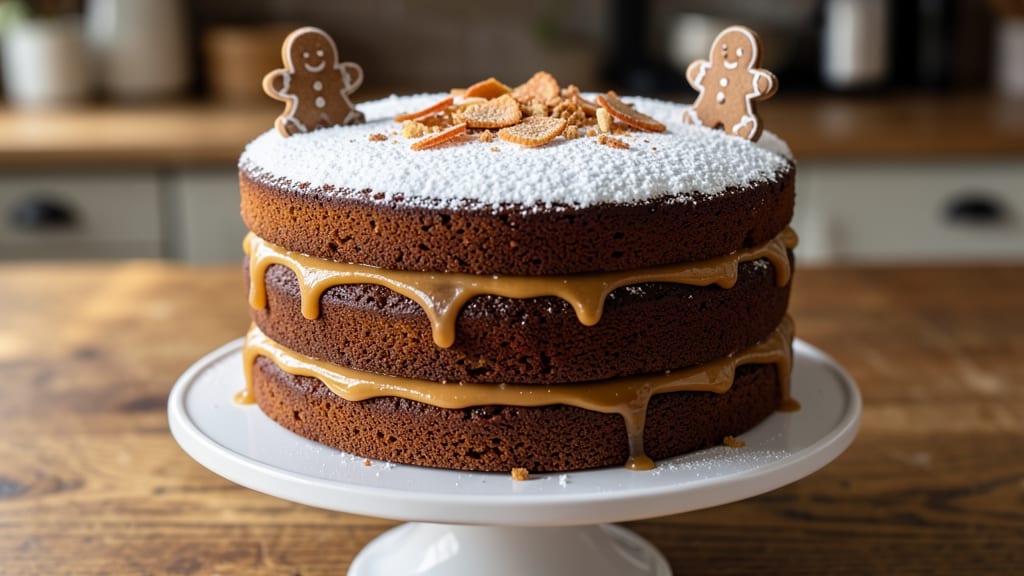
Here’s Cook’s Illustrated’s gingerbread layer cake recipe—a showstopper that delivers the perfect balance of warm molasses richness and creamy frosting harmony for holidays or celebrations.
The secret lies in a precise gingerbread spice blend and molasses that deepen flavor with every bite, while the cream cheese frosting adds a velvety contrast that keeps this cake irresistibly moist.
I've tested this recipe dozens of times to ensure layers stay tender, spice levels are just right, and the frosting doesn't crack—because presentation matters just as much as taste.
The recipe begins with a foolproof batter that uses brown sugar and molasses for depth, while ginger, cinnamon, and cloves create that signature warmth without overpowering.
Baking at 325°F ensures even layers that stay moist for days, and the frosting—made with cream cheese, butter, and powdered sugar—achieves that signature smooth finish without being overly sweet.
What sets this apart is the tested technique of brushing layers with simple syrup before frosting, which guarantees a professional-looking cake that tastes even better the next day.
By the time you're done, you'll have a restaurant-quality gingerbread cake with layers that flake apart perfectly, a spice profile that's bold but balanced, and a frosting so creamy it disappears with every bite.
The aroma alone will have guests gathering before the first slice is served, and the combination of molasses depth and cream cheese frosting creates a harmony that's truly special. This isn't just dessert—it's an experience.
Perfect for Christmas gatherings, holiday parties, or anytime you want to impress with a cake that looks as stunning as it tastes. The recipe scales easily for crowds, and leftovers keep well for up to 5 days when stored properly.
Let's get baking—your kitchen is about to smell like holiday magic.
Ingredients for gingerbread layer cake cook's illustrated
Twelve ingredients, three layers, and a frosting that melts like holiday magic.
| Ingredient | Amount | Notes |
|---|---|---|
| All-Purpose Flour 🌾 | 3 ½ cups | Sifted for light texture |
| Dark Brown Sugar 🍚 | 2 cups | Packed firmly, not leveled |
| Molasses 🍯 | ½ cup | Unsulphured for best flavor |
| Large Eggs 🥚 | 4 whole | Room temperature for even mixing |
| Unsalted Butter 🧈 | 1 cup | Cold, cubed for creaming |
| Ground Ginger 🌿 | 2 tbsp | Freshly ground preferred |
| Ground Cinnamon 🍃 | 2 tsp | Ceylon preferred for warmth |
| Ground Cloves 🌶️ | 1 tsp | Freshly ground for intensity |
| Salt 🧂 | ½ tsp | Diamond Crystal preferred |
| Baking Soda 🧪 | 1 tsp | Freshly opened for lift |
| Buttermilk 🥛 | 1 cup | Homemade or store-bought |
| Vanilla Extract 🌸 | 1 tbsp | Pure Madagascar preferred |
| Simple Syrup 🍯 | ½ cup | 1:1 sugar to water ratio |
| Cream Cheese 🧀 | 8 oz | Full-fat, room temperature |
| Powdered Sugar 🍚 | 4 cups | Sifted for smooth frosting |
| Vanilla Bean Paste 🌸 | 1 tbsp | For deeper vanilla flavor |
The molasses and spices are non-negotiable for authentic gingerbread flavor. Unsulphured molasses from Whole Foods or Trader Joe's delivers the deepest flavor—avoid sulphured varieties, which taste bitter. For spices, Penzeys Spices or McCormick ground spices provide consistent quality, but freshly grinding whole spices like cloves and cinnamon elevates the profile. The butter should be cold and cubed—Plugrá or Land O'Lakes work well, but avoid salted varieties. The flour? King Arthur or Gold Medal all-purpose sifted before measuring ensures a tender crumb. Don't skip sifting the powdered sugar for the frosting—it prevents graininess.
No unsulphured molasses? Blackstrap molasses works in a pinch, but reduce to 0.375 cup and add 1 tbsp water to compensate for thickness. Running short on vanilla? Vanilla bean seeds scraped from a pod intensify flavor without extra cost. The frosting can be made with Neufchâtel cheese if cream cheese is unavailable, though it's slightly less stable. For a lighter texture, substitute 0.5 cup of the butter in the frosting with lightly sweetened cream cheese. The simple syrup should be made fresh—store-bought versions often contain preservatives that alter flavor. If you must use pre-made, choose Trader Joe's or Whole Foods brands for cleaner ingredients.
Store the cake layers airtight at room temperature for up to 2 days before frosting, or freeze them for 3 months wrapped tightly in plastic. The frosting keeps in the fridge for 5 days—bring to room temperature before spreading. For a restaurant-quality finish, brush the cake with simple syrup before frosting. This recipe scales beautifully: double the batter for a three-layer cake or triple for a six-layer showstopper. The aroma alone will have guests gathering before the first slice—worth every minute of prep.
Why You'll Love This Recipe
- No Stand Mixer Needed: I swear by this recipe when my mixer’s on strike—just creaming butter and sugar by hand gives those layers a tender crumb. The molasses and brown sugar do most of the work, so you’re not stuck folding in stubborn dough.
- Spice-Perfect Balance: That first bite? Warm ginger and molasses sing, but the butter keeps it from being too heavy. Honestly, the molasses depth makes it taste like you slaved over it—even if you didn’t.
- Holiday or Everyday: Between us, I’ve served this at Christmas brunch and as a “because I wanted cake” afternoon treat. The layers hold up for days, so it’s my go-to for potlucks or when I need to impress without stress.
- Budget-Friendly Luxury: Dark brown sugar and molasses might sound fancy, but they stretch further than white sugar ever could. A single cake feeds six, and leftovers? They’re even better the next day with a dusting of powdered sugar.
Step-by-step instructions for gingerbread layer cake
This method delivers perfectly moist layers with deep molasses flavor and a stable cream cheese frosting.
Prepare the Cake Batter
Preheat your oven to 350°F and grease three 8-inch round cake pans, then line the bottoms with parchment paper. In a medium bowl, whisk together the 3.5 cups all-purpose flour, 2 tablespoons ground ginger, 2 teaspoons ground cinnamon, 1 teaspoon ground cloves, ½ teaspoon salt, and 1 teaspoon baking soda. Sift the dry ingredients directly into a large mixing bowl to aerate them.
In the bowl of a stand mixer fitted with the paddle attachment, cream together the 1 cup unsalted butter and 2 cups dark brown sugar on medium speed for 3-4 minutes until light and fluffy. Add the 4 whole large eggs, one at a time, mixing well after each addition. Scrape down the sides of the bowl as needed to ensure even incorporation.
Gradually add the dry ingredients to the wet mixture, mixing on low speed until just combined. Avoid overmixing—stop as soon as the flour is incorporated. In a separate bowl, whisk together the 1 cup buttermilk, ½ cup molasses, 1 tablespoon vanilla extract, and ½ cup simple syrup. Slowly pour this mixture into the batter while mixing on low speed until fully combined. The batter should be thick but pourable.
Bake the Layers
Divide the batter evenly among the prepared cake pans, filling each about two-thirds full. Bake for 25-30 minutes, or until a toothpick inserted into the center comes out clean. Rotate the pans halfway through baking for even browning. Let the cakes cool in the pans for 10 minutes, then transfer to a wire rack to cool completely.
This cooling step is crucial—it prevents the layers from becoming soggy when assembling. If the tops brown too quickly, tent the pans with foil after 20 minutes to prevent overbrowning while ensuring the centers are fully baked.
Prepare the Cream Cheese Frosting
In the bowl of a stand mixer fitted with the paddle attachment, beat the 8 ounces cream cheese and 4 cups powdered sugar on medium speed until smooth and creamy, scraping down the sides as needed. Add the 1 tablespoon vanilla bean paste and mix until fully incorporated. Gradually add the 1 cup unsalted butter, softened but not melted, mixing until light and fluffy.
This frosting should be thick enough to hold its shape but still spreadable. If it’s too thick, add 1 teaspoon of buttermilk at a time until it reaches the desired consistency. The frosting should be smooth, with no lumps, and hold its shape when piped.
Assemble the Cake
Once the layers are completely cool, level the tops if necessary using a serrated knife. Place the first layer on a cake stand or plate, then spread a thin layer of frosting over the top. Repeat with the remaining layers, adding frosting between each one. This "cake crumb coat" prevents frosting from seeping into the cake layers.
Apply a final layer of frosting to the entire cake, smoothing the sides with a spatula. Use a bench scraper to create clean edges and a smooth finish. Chill the cake in the refrigerator for 30 minutes before serving to allow the frosting to set slightly. This ensures clean slices and a stable structure.
Pro Tips For Making Gingerbread Layer Cake Cook'S Illustrated
- Mix Butter & Sugar First: DESCRIPTION:
- Weigh Your Flour: DESCRIPTION:
- Don’t Overbake the Layers: DESCRIPTION:
- Chill the Batter: DESCRIPTION:
Wine and beer pairings for gingerbread layer cake cook's illustrated
Spiced Red Wine
Gingerbread’s warm spices pair beautifully with red wines that have earthy, slightly sweet notes. I recommend a Zinfandel from California—its berry flavors and subtle spice undertones complement the molasses depth without overpowering.
Try a 2019 Dry Creek Vineyard or Bogle Vineyards for an affordable yet flavorful option. The tannins in Zinfandel also help cleanse the palate between rich bites of cake. 🍷
Mulled Wine Cocktail
For a festive twist, serve mulled wine as a cocktail alongside your cake. Heat 1 bottle (750ml) dry red wine with ½ cup orange juice, 2 cinnamon sticks, 3 whole cloves, 1 star anise, and 1 orange slice.
Simmer for 10 minutes, then strain into mugs. The warm spices mirror the cake’s flavor profile while adding a cozy, aromatic experience. Garnish with a cinnamon stick for presentation.
Spiced Beer Pairings
A Belgian-style witbier like Hoegaarden or Stella Artois cuts through the richness with its citrusy notes and light effervescence. For a bolder option, try a spiced ale such as Samuel Smith’s Nut Brown Ale, which has caramel and toasted malt flavors that enhance the gingerbread’s molasses sweetness.
Avoid heavy stouts—they can make the cake taste overly sweet. 🍺
Non-Alcoholic Options
For non-drinkers, a ginger-infused sparkling water with a splash of cranberry juice mirrors the cake’s spice notes. Add 2 slices of fresh ginger and 1 cinnamon stick to 1 liter sparkling water, then chill for 1 hour.
Serve over ice with a lemon twist. Alternatively, chilled hibiscus tea with a hint of honey offers a tart contrast to the cake’s richness.
Coffee Pairing
Finish the meal with dark roast coffee—its bitterness balances the molasses sweetness perfectly. A Sumatra Mandheling or Ethiopian Yirgacheffe works well. For an extra treat, drizzle a touch of vanilla syrup into the coffee to echo the cake’s vanilla notes.
The warmth of the coffee complements the cake’s spiced aroma, creating a satisfying close to the dessert experience. ☕
Nutrition facts
Frequently asked questions
Why does this recipe use unsulphured molasses instead of regular?
Unsulphured molasses delivers a richer, deeper flavor without the bitter aftertaste from sulphur compounds. The sulphur used in regular molasses preserves it longer but dulls the molasses' natural caramel notes. For authentic gingerbread flavor, unsulphured is essential—it's what gives this cake its signature warmth and complexity.
Can I substitute the cream cheese frosting with buttercream?
You can, but the texture and flavor will differ. Cream cheese frosting stays lighter and tangier, balancing the molasses' sweetness. For buttercream, replace the cream cheese with ½ cup softened butter and reduce powdered sugar to 3 cups. Add 1 tbsp lemon juice to mimic the tanginess, but expect a slightly denser frosting.
How do I prevent my cake layers from cracking when frosting?
First, ensure layers are completely cool before assembling. Then apply a thin "crumb coat" of frosting—spread a thin layer over the top and sides, chill for 15 minutes, then add the final frosting layer. This technique traps crumbs and creates a smooth base. Also, use a bench scraper to smooth edges for professional-looking results.
What's the best way to store leftovers?
Wrap the entire cake in plastic wrap, then place it in an airtight container at room temperature for up to 3 days. For longer storage, freeze the frosted cake (without wrapping) for up to 1 month. Thaw overnight in the fridge before serving. The frosting may soften slightly after freezing, so bring it to room temperature before slicing.
Can I make this cake gluten-free?
Yes, but with modifications. Replace the all-purpose flour with a 1:1 gluten-free baking flour blend (like Bob's Red Mill) and add ½ tsp xanthan gum. Increase the molasses to ⅔ cup to compensate for reduced structure. Note that gluten-free cakes often have a denser texture—expect slightly heavier layers. Test with a small batch first to adjust consistency.