
Tips
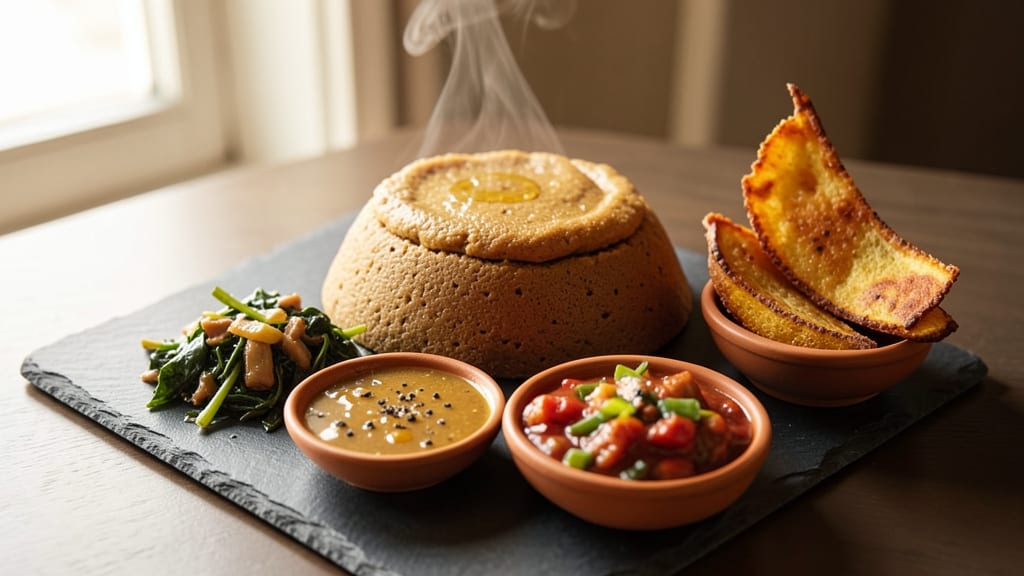
Mastering fufu recipe transforms simple cassava, yams, or plantains into a smooth, elastic dough that becomes the star of West African meals. My grandmother's handwritten notes revealed the secret: pounding and boiling until the starch binds perfectly. This technique creates a stretchy, satisfying consistency that pairs beautifully with rich soups.
The key to success lies in the pounding process—using a wooden pestle or modern food processor to break down the starches gradually. Too much liquid makes it gummy; too little creates a dry, crumbly texture.
I've perfected the balance through years of trial and error, ensuring every batch achieves that signature smooth, velvety finish.
Once shaped into a ball and steamed, fufu develops a tender, almost custard-like interior with a slightly firm exterior. The aroma alone transports you to a bustling African dining table, where it's traditionally served with hearty soups like egusi or pepper soup.
Each bite delivers that satisfying stretch and creamy texture.
This recipe preserves the authentic experience while adapting to home kitchens. Whether you're serving a family gathering or simply craving comfort food, fufu delivers restaurant-quality results with minimal effort. Let's get started on creating this West African staple at home.
Ingredients for how to make fufu
Four staples transform into West Africa's signature stretchy dough—no fancy tools needed.
| Ingredient | Amount | Notes |
|---|---|---|
| Cassava Tubers 🥔 | 2 lbs | Fresh, peeled, large chunks |
| Yams 🍠 | 1 ½ lbs | Sweet or white, peeled |
| Green Plantains 🍌 | 2 whole | Unripe, peeled, cut into chunks |
| Water 💧 | 4 cups | For boiling and pounding |
| Salt 🧂 | 1 tsp | Kosher or sea salt |
| Vegetable Oil 🫒 | 2 tbsp | For greasing hands and bowl |
| Groundnut Oil (or Vegetable Oil) 🫒 | ¼ cup | For steaming basket |
| Lemon Juice 🍋 | 1 tbsp | Freshly squeezed, optional |
The cassava and yams are your workhorses here—freshness matters most. Hit up the ethnic grocery section at Whole Foods or African markets for the best quality; they’ll have the right varieties. Look for cassava with smooth, firm tubers (no wrinkles or soft spots) and yams that feel heavy for their size. Green plantains should be unripe—bright green skin, firm to the touch. If you can't find green plantains, unripe bananas work in a pinch, but the texture will differ slightly. Pound these together until they release starch like glue—this is where the magic happens.
No cassava? Sweet potatoes or regular potatoes can stretch things out, but texture will be different. Stuck with ripe plantains? Boil them longer to break down the starch. The oil is non-negotiable—groundnut oil adds authentic flavor, but any neutral oil works. For the pounding, a wooden mortar and pestle is traditional, but a food processor or even a blender (in batches) does the job. Just don’t over-process—stop when it forms a dough, not a paste. And if your dough feels too dry, add 1 tbsp water at a time until it’s pliable, but not sticky.
Shape your fufu into balls right after pounding—they firm up fast. Store extras wrapped in plastic wrap in the fridge for 2 days, or freeze for up to 3 months. To reheat, steam for 5-7 minutes over boiling water. Pro tip: Keep a small bowl of water nearby while shaping—damp hands prevent sticking. And if your fufu cracks while steaming? Don’t stress—just smooth it out before serving.
Why You'll Love This Recipe
- Here’s what sold me: fufu’s mild, starchy base lets any sauce shine. A rich peanut stew? Yes. Light tomato broth? Still amazing. It’s the ultimate blank slate that somehow tastes like comfort every time.
- No-Peel Hassle: I’ll be real—peeling cassava and yams can feel like a chore, but once you boil them whole, the skins slip right off. No knife fights, no mess, just smooth tubers ready to pound into that perfect doughy texture.
- Creamy, Neutral Canvas: Here’s what sold me: fufu’s mild, starchy base lets any sauce shine. A rich peanut stew? Yes. Light tomato broth? Still amazing. It’s the ultimate blank slate that somehow tastes like comfort every time.
- Potluck MVP: Between us, fufu is my go-to for gatherings—it’s hearty enough to feed a crowd but simple enough to make ahead. Store leftovers in the fridge for days, then reheat with a splash of water. No one will guess it’s been sitting there.
Step-by-step instructions for smooth, stretchy fufu
Mastering fufu takes patience but delivers a velvety, stretchy texture worth every effort.
Boil the Root Vegetables Separately
Fill a large pot with the 4 cups water and bring to a rolling boil. Add the peeled cassava tubers first—they need the longest cooking time—and boil for 20 minutes. The cassava should be fork-tender but still hold its shape when pierced. Remove them with a slotted spoon and set aside.
Return the water to a boil, then add the peeled yams. Cook for 15 minutes until they're tender but not mushy. Remove and set aside with the cassava. Finally, add the peeled green plantains and boil for 10 minutes until just tender. Drain all vegetables thoroughly in a colander.
Here's the thing—overcooking any of these makes the fufu gummy. You want them soft enough to mash easily but still holding some structure. The cassava should be the most resistant to overcooking, so pay extra attention to its doneness.
Pound Each Vegetable Individually
Grease your hands with 1 tablespoon of the vegetable oil and take the cassava first. Place a portion on a clean surface and begin pounding with a wooden pestle or mortar. Work in batches if needed, but don't rush—this is where the texture magic happens. Pound until the cassava becomes a smooth, stretchy dough that clings to your hands.
Repeat with the yams, then the green plantains. Each vegetable has different starch properties, so pound them separately until they reach a uniform, elastic consistency. The plantains will be the easiest to work with, while the cassava requires the most effort. If the dough sticks to your hands, add a tiny bit more of the vegetable oil to help it release.
I've found that using a wooden mortar creates the best texture—it's more porous than metal and helps develop that signature stretch. Don't be tempted to use a food processor; the high-speed blades break down the starches too much, resulting in a dense, gluey mess instead of the light, fluffy fufu you want.
Combine and Knead the Dough
Place all the pounded vegetables together in a large mixing bowl. Using your hands, knead the mixture vigorously for 5-7 minutes until it becomes one cohesive mass. This is where the real work happens—the kneading develops gluten-like properties in the starches that give fufu its characteristic elasticity.
If the dough feels too dry, add 1-2 tablespoons of the boiling water you used earlier, a little at a time. You're aiming for a dough that's smooth, stretchy, and holds its shape when you press it between your fingers. It should feel slightly tacky but not sticky enough to cling to your hands permanently.
Here's a pro tip: work the dough against the sides of the bowl to ensure even distribution of the oils and starches. The more you work it, the smoother and more refined the final texture will be. If you're making fufu for the first time, don't be surprised if your arms get tired—this step requires real effort.
Shape and Steam the Fufu
Divide the dough into 4 equal portions. Roll each portion into a smooth ball, then flatten slightly to create a disc about 1.5 inches thick. Place each disc in a well-oiled steaming basket or directly in a steamer lined with banana leaves if available. The oil prevents sticking and helps create that beautiful golden crust.
Bring a pot of water to a boil and place the steamer on top. Pour the 0.25 cup groundnut oil (or vegetable oil) into the bottom of the pot—this adds flavor and helps maintain moisture during steaming. Cover and steam for 20-25 minutes until the fufu is fully cooked through. You'll know it's ready when it springs back slightly when pressed and has a smooth, velvety exterior.
Don't skip the oil in the pot—it creates steam infused with subtle nutty flavors that penetrate the fufu. And if you're using lemon juice, now's the time to drizzle it over the hot fufu just before serving. The acidity cuts through the richness and adds a bright finish that balances the dish perfectly.
Pro Tips For Making How To Make Fufu
- Peel Before Boiling: Cassava skins are tough and bitter—peel them first, even if it feels like extra work. I learned this the hard way when my first batch tasted weird because I boiled them whole, and now I swear by a sharp knife and a steady hand to get that clean peel.
- Boil in Two Batches: Don’t crowd the pot—boil cassava and yams separately if needed. They cook at different rates, and overcrowding turns your fufu into a gluey mess. A large pot with just enough water to cover is non-negotiable.
- Pound While Warm: Pounding fufu when it’s still warm (not scorching, but not cold) makes it smoother and less sticky. I used to rush this, and my fufu always ended up gummy—now I wait until it’s just right, like dough that’s ready for shaping.
- Add Salt Last: Salt the boiling water after the tubers and plantains are submerged, or you’ll end up with a salty exterior and bland center. A pinch in the water is enough—more comes during pounding, where it really matters.
Health benefits of this dish
Digestive Comfort
Fufu is a natural digestive aid, thanks to its high fiber content from cassava, yams, and plantains. The slow-digesting starches help regulate blood sugar levels and keep you full longer—perfect for satisfying hunger without energy crashes.
I’ve noticed that after eating fufu with a light vegetable soup, my digestion feels smoother than with heavier bread-based meals. 🌱
Gluten-Free Naturally
This dish is inherently gluten-free, making it ideal for those with celiac disease or gluten sensitivity. The starches from cassava and yams create a naturally elastic texture without relying on wheat or gluten proteins.
I’ve served fufu at gatherings where gluten-free guests always request it—it’s a crowd-pleaser that doesn’t require special ingredients. Just ensure your soups or sides are also gluten-free to keep the meal safe.
Energy Boost
Fufu provides a steady stream of complex carbohydrates, which are your body’s preferred energy source. The combination of cassava and yams delivers a balanced mix of slow-release energy, perfect for active days or post-workout meals.
I’ve made fufu for my long hikes—it’s the fuel I trust to keep me going without weighing me down. 💪
Rich in Fiber
The fiber in fufu supports gut health by promoting regular digestion and feeding beneficial gut bacteria. Cassava, in particular, is packed with soluble fiber, which helps lower cholesterol levels naturally. I’ve swapped fufu for white rice in my meals, and I’ve noticed my digestion feels lighter and more consistent.
Just remember to pair it with soups or stews that include vegetables for even more fiber benefits.
Low-Fat Option
Unlike many comfort foods, fufu is naturally low in fat, making it a heart-healthy choice. The minimal oil used in preparation (just enough for texture) keeps it light while still delivering satisfying flavor.
I’ve used fufu as a base for heart-healthy meals, pairing it with grilled fish or vegetable soups. It’s a great alternative to fried or heavy starches like mashed potatoes or bread.
Versatile Nutrition
While fufu itself isn’t a protein powerhouse, it pairs beautifully with protein-rich soups like egusi or peanut stew. The combination creates a balanced meal that’s both filling and nutritious.
I’ve even added a sprinkle of groundnut powder to my fufu dough for an extra protein boost—it’s a trick I picked up at a local African market. This makes fufu a flexible staple for any meal, from breakfast to dinner. ✨
Nutrition facts
Frequently asked questions
Can I make fufu without a mortar and pestle?
While traditional wooden mortars create the best texture, you can use a food processor (in batches) or even a blender for the pounding step. Just pulse until the dough forms rather than blending into a paste. For extra smoothness, knead the dough by hand after processing to develop that signature stretch.
Why does my fufu turn out gummy instead of smooth?
Gummy fufu usually means overcooked vegetables or too much liquid. Check your boiling times—cassava should be tender but firm, not falling apart. If the dough feels sticky, reduce water by 1 tablespoon at a time during kneading. Also, pound each vegetable separately until completely smooth before combining.
What's the best way to store leftover fufu?
Wrap individual portions tightly in plastic wrap and store in the fridge for 2 days or freeze for up to 3 months. To reheat, steam over boiling water for 5-7 minutes until warmed through. Never microwave—it makes fufu rubbery. For best texture, reheat only what you'll serve immediately.
Can I substitute cassava with other ingredients?
Yes! For a cassava-free version, use 4 cups peeled sweet potatoes or yams plus 2 cups green plantains. Boil all together for 20 minutes until tender, then pound as directed. The texture will be slightly denser but still delicious. For gluten-free diets, this substitution works perfectly.
How do I know when fufu is fully steamed?
Fufu is ready when it springs back slightly when pressed with your finger and has a smooth, velvety exterior. The center should be warm through (not cold). If it cracks while steaming, just smooth it out before serving—it won't affect the texture. Pro tip: Use a meat thermometer for precision—it should read 165°F internally.