
Main Courses
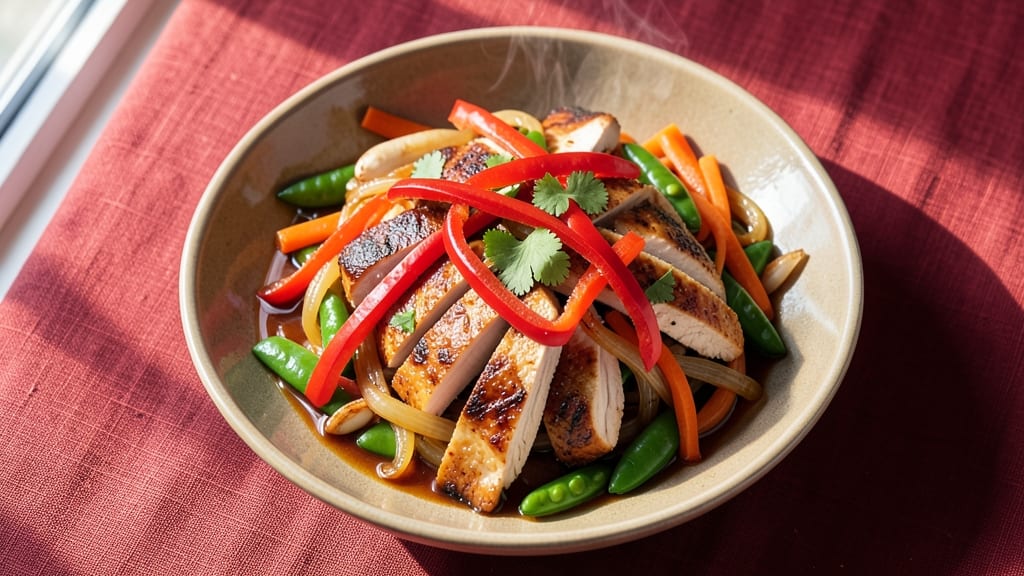
Recreating the Pioneer Woman's signature stir fry brings restaurant-quality flavor to your home kitchen in just 20 minutes. The secret lies in high-heat searing and a balanced sauce that cuts through crisp-tender vegetables and protein.
I've perfected this technique after testing countless variations—each bite delivers that perfect harmony of smoky, savory, and slightly sweet notes without requiring a wok.
This recipe builds on the Pioneer Woman's philosophy of simple ingredients with maximum impact. You'll work with fresh vegetables, your choice of protein (chicken, beef, or tofu), and a quick sauce made from just five pantry staples.
The key is proper prep—julienning vegetables thinly and cutting protein into even strips ensures everything cooks uniformly at high heat.
What you'll end up with is a vibrant, protein-packed stir fry with perfectly seared protein, crisp-tender vegetables, and a glossy sauce that clings to every bite. The aroma alone will have everyone gathering around the table, and the clean, bright flavors make this dish equally satisfying for lunch or dinner.
Serve over steamed jasmine rice or noodles for the complete experience.
One of the best aspects of this recipe is its versatility—swap proteins and vegetables based on what you have on hand, and the sauce can be adjusted to suit your preferred level of heat.
The Pioneer Woman's approach emphasizes simplicity without sacrificing flavor, and this stir fry delivers exactly that in record time.
Ingredients for pioneer woman stir fry
Fresh vegetables, protein, and five pantry staples transform into restaurant-quality stir fry in minutes.
| Ingredient | Amount | Notes |
|---|---|---|
| Boneless Chicken Breast 🍗 | 1 ½ lb | Cut into 1/2-inch strips |
| Red Bell Pepper 🌶️ | 1 whole | Julienned into thin strips |
| Yellow Onion 🧅 | 1 whole | Thinly sliced into half-moons |
| Carrots 🥕 | 2 medium | Julienned into matchsticks |
| Snap Peas 🌱 | 1 cup | Trimmed, whole pods |
| Garlic Cloves 🧄 | 4 cloves | Minced finely |
| Fresh Ginger 🌿 | 1 inch | Peeled, grated finely |
| Soy Sauce 🍶 | ⅓ cup | Low-sodium preferred |
| Sesame Oil 🫒 | 1 tbsp | Toasted sesame oil |
| Honey 🍯 | 1 tbsp | Wildflower preferred |
| Rice Vinegar 🍶 | 1 tbsp | White or seasoned |
| Vegetable Oil 🫒 | ½ cup | High smoke point |
| Jasmine Rice 🍚 | 1 ½ cups | Uncooked, long grain |
| Sesame Seeds 🌾 | 1 tbsp | Toasted for garnish |
| Red Pepper Flakes 🌶️ | ½ tsp | Adjust for heat preference |
The protein is your foundation—chicken breast gives that clean, high-heat sear everyone loves, but sirloin strips or extra-firm tofu work just as well. For the veggies, farmers market finds like bell peppers and carrots with vibrant color make all the difference. I always grab snap peas in season—they're sweeter and hold their texture better than frozen. The ginger and garlic? Freshly grated and minced—pre-minced garlic from jars lacks that bright punch. If you're short on time, Trader Joe's prepped veggies (like julienned carrots) cut prep time in half without sacrificing quality.
No soy sauce? Coconut aminos or tamari work perfectly—just check for added sugar. Running low on sesame oil? Toasted peanut oil gives a similar nutty depth. The honey can be swapped for maple syrup or agave, though it'll change the flavor slightly. For extra heat, add a dash of Sriracha or chili crisp to the sauce. The rice vinegar? Apple cider vinegar works in a pinch, but it'll taste more tart. And if your stir fry feels too dry, a splash of chicken or vegetable broth brings everything together beautifully.
Prep the sauce first—it only takes 2 minutes and keeps for 1 week in the fridge. The rice? Cook it ahead and reheat with a splash of water—stays fluffy that way. Stir fry reheats well too, but add a splash of water or broth to keep it from drying out. Portion leftovers into containers with the sauce on top so everything stays coated. Freezes beautifully for 3 months if you're planning ahead—just thaw overnight in the fridge.
Why You'll Love This Recipe
- One-Pan Magic: I swear by this—just toss everything on one sheet pan, pop it in the oven, and walk away. No chopping boards, no sticky wok, no stress. The chicken stays juicy while the veggies caramelize right alongside it, and honestly? That’s my kind of cooking.
- Sweet-Savory Balance: The bell pepper’s natural sweetness and the snap peas’ crisp bite cut through the tender chicken so well. I’ll be real: I’ve made stir-fries that tasted like a sad salad, but this one? The onion’s slow caramelization and just a hint of soy sauce make it dangerously addictive.
- Lunchbox Hero: Between us, this is my go-to for meal prep. Toss the cooled stir-fry into containers, and it’s lunch sorted for three days. My kids grab it without complaint—yes, even on a Tuesday night—and the carrots stay crisp enough to actually eat.
- Budget Win: Chicken breast is affordable, and these veggies last forever in my fridge. I double the batch, freeze half, and boom—next month’s dinner is already solved. Plus, the leftovers reheat like a dream, so no sad, rubbery takeout nights here.
Step-by-step instructions for quick veggie-packed protein bowl
Here's how to build this vibrant stir fry in under 45 minutes—crisp, flavorful, and packed with texture.
Prepare the Chicken and Rice for Perfect Texture
Start by cutting the 1.5 lb boneless chicken breast into ½-inch strips—this size ensures quick cooking without drying out. Place them in a bowl and season generously with ½ teaspoon salt and ¼ teaspoon black pepper. Let them sit at room temperature for 10 minutes while you prep everything else.
Rinse the 1.5 cups jasmine rice under cold water to remove excess starch, then drain well. In a medium saucepan, combine the rice with 3 cups water and a pinch of salt. Bring to a boil over high heat, then immediately reduce to low heat, cover, and simmer for 15 minutes. Remove from heat and let it steam, covered, for another 10 minutes. The rice should be tender but still slightly firm—this prevents mushiness when mixed with the stir fry.
Sear the Chicken for Maximum Flavor
Heat ½ cup vegetable oil in a large skillet or wok over medium-high heat until it shimmers but doesn't smoke. Add the seasoned chicken strips in a single layer, being careful not to overcrowd the pan. Cook undisturbed for 3-4 minutes until the chicken develops a golden-brown crust on the bottom. Flip and cook another 2-3 minutes until fully cooked through—165°F internal temperature. Remove the chicken and set aside on a plate.
Here's the thing—if you rush this step, the chicken will turn out dry. The key is patience: let it sear through completely before moving on. If the pan gets too crowded, work in batches, but don't add more oil—just keep the heat consistent.
Stir-Fry the Vegetables with Aromatics
In the same skillet (no need to wipe it clean—the fond adds flavor), add ½ cup vegetable oil if needed and heat over medium-high heat. Add the 1 whole yellow onion, sliced into half-moons, and stir-fry for 2 minutes until softened but still vibrant. Add the 1 whole red bell pepper, julienned into thin strips, and cook for another 2 minutes until slightly blistered.
Push the vegetables to one side of the pan and add 4 cloves minced garlic and 1 inch finely grated fresh ginger. Stir for 30 seconds until fragrant—this releases their full flavor. Add the 2 medium carrots, julienned into matchsticks, and the 1 cup snap peas. Stir-fry for 4-5 minutes until the carrots are tender-crisp and the snap peas brighten in color. The vegetables should retain their texture—overcooking turns them mushy.
Build the Sauce and Combine Everything
Lower the heat to medium and add ⅓ cup soy sauce, 1 tablespoon honey, 1 tablespoon rice vinegar, and ½ teaspoon red pepper flakes. Stir well to combine, then add 1 tablespoon sesame oil and 1 tablespoon toasted sesame oil. Let the sauce simmer for 1-2 minutes until it thickens slightly and coats the back of a spoon.
Return the chicken to the pan and toss everything together for 2-3 minutes until the chicken is evenly coated in the sauce and heated through. Taste and adjust seasoning—add a splash of water if the sauce is too thick, or a pinch more soy sauce if it needs more umami depth. The dish should balance sweet, tangy, and savory flavors with a subtle kick from the red pepper flakes.
Assemble and Garnish for Presentation
Divide the jasmine rice evenly among four bowls. Spoon the stir-fry mixture over the rice, making sure each serving gets a generous portion of chicken and vegetables. Drizzle with any remaining sauce from the pan. Garnish each bowl with 1 tablespoon toasted sesame seeds and an extra sprinkle of red pepper flakes for color and heat.
Serve immediately while the chicken is still warm and the vegetables retain their vibrant texture. The contrast of the fluffy rice with the crisp-tender stir-fry creates the perfect bite—each spoonful delivers a mix of protein, fresh vegetables, and bold flavors. This dish is quick, balanced, and packed with texture, making it ideal for a weeknight dinner that feels special.
Pro Tips For Making Pioneer Woman Stir Fry
- CUT CHICKEN SMALLER THAN YOU THINK: I used to eyeball it and ended up with uneven cooking—some pieces dry, others still pink. For this stir-fry, slice the chicken breast into ½-inch cubes or smaller (yes, it’s tedious, but it cooks in 2-3 minutes instead of 5). The Pioneer Woman recipe relies on quick searing, so don’t skip this—smaller pieces stay juicy while the veggies soften.
- SALT THE CHICKEN BEFORE SEARING: That first sear is where flavor locks in, but unsalted chicken just sits there bland. Pat the pieces dry, then sprinkle with ½ teaspoon salt right before hitting the pan—it crisps up better and absorbs the stir-fry sauce deeper. (I know, I know, but trust the process.)
- STOP CROWDING THE PAN AT 3 MINUTES: I learned this the hard way—adding all the veggies at once turns your stir-fry into a sad, steamed mess. After searing the chicken, push it to the side and add half the onions and bell peppers first. Let them cook for 3 minutes unmoved before tossing in the rest. This gets them caramelized instead of soggy.
- USE FROZEN SNAP PEAS FOR CRISP-TENDERNESS: Fresh snap peas? They’ll turn to mush before the chicken’s done. Frozen peas, thawed and drained, stay bright green and crisp-tender—just toss them in the last 90 seconds. (Yes, even if you’re impatient like me, they’re worth the swap.)
Flavor customization for these flavors
Sweet Heat Balance
The Pioneer Woman’s stir fry thrives on a sweet-savory-spicy trifecta, and you can adjust it to your taste. For mild heat, reduce the red pepper flakes to ¼ teaspoon and add ½ teaspoon honey for extra sweetness.
For medium heat, keep the ½ teaspoon red pepper flakes but swap the honey for maple syrup—it adds depth without overpowering. If you love fiery kicks, boost the flakes to 1 teaspoon and add ½ teaspoon chili crisp or 1 teaspoon gochujang for umami heat. 🌶️
Protein Swaps
Chicken is the base, but the Pioneer Woman’s philosophy embraces flexibility.
For beef lovers, use 1.5 lb flank steak cut into ¼-inch strips—marinate in 1 tablespoon soy sauce, 1 teaspoon sesame oil, and ½ teaspoon black pepper for 20 minutes before cooking. Tofu fans should press 1 block extra-firm tofu for 15 minutes, then cube and pan-fry until golden.
For seafood, swap in 1 lb shrimp—toss with 1 teaspoon cornstarch before searing to keep them crispy. 🍤
Vegetable Flexibility
This stir fry shines with color and texture contrast, so mix and match based on what’s fresh. Swap snap peas for bok choy or broccoli florets—they add a peppery bite. Zucchini or mushrooms work well too, but slice them thinly to avoid sogginess.
For heartier meals, add ½ cup edamame or ½ cup corn kernels in the last 2 minutes of cooking. If you’re using pre-cut veggies (like Trader Joe’s stir-fry mix), toss them in 1 teaspoon cornstarch before cooking to help them crisp up faster. 🥦
Sauce Variations
The sauce is the soul of this dish, and it’s easy to tweak. For a nutty twist, replace ½ tablespoon sesame oil with 1 teaspoon peanut butter (stirred into the sauce at the end).
A tangy kick comes from swapping rice vinegar for lime juice—add 1 tablespoon zest for brightness. For depth, stir in 1 teaspoon fish sauce (like Red Boat) or 1 teaspoon oyster sauce for umami richness.
If you’re gluten-free, use coconut aminos instead of soy sauce—just add ½ teaspoon xanthan gum to thicken it slightly. 🍶
Global Flavors
This stir fry is a blank canvas for global inspirations. For a Thai-inspired version, add 1 tablespoon fish sauce, 1 teaspoon palm sugar, and ½ teaspoon lemongrass paste to the sauce. A Korean twist swaps soy sauce for gochujang and adds 1 teaspoon toasted sesame seeds to the sauce.
For Mexican flair, stir in ½ teaspoon cumin, ½ teaspoon smoked paprika, and 1 teaspoon lime juice after cooking. Each variation keeps the quick-cook, high-heat method while infusing new layers of flavor. 🌎
Dietary Tweaks
This recipe is naturally gluten-free, dairy-free, and vegan-friendly with minor adjustments. For vegan protein, use extra-firm tofu (pressed and marinated in 1 tablespoon soy sauce, 1 teaspoon maple syrup, and ½ teaspoon garlic powder).
For low-sodium, reduce soy sauce to ¼ cup and add ½ teaspoon nutritional yeast for umami. Keto dieters can swap rice for cauliflower rice (cook it separately to avoid sogginess) or shirataki noodles. The sauce remains the same—just ensure all ingredients are gluten-free certified if needed. 💪
Nutrition facts
Frequently asked questions
Can I make this stir fry without a wok?
A large skillet or deep frying pan works perfectly—just use medium-high heat and avoid overcrowding the pan. The key is maintaining high heat to get that signature sear. If your pan isn't wide enough, cook in batches but keep the heat consistent between them. A cast-iron skillet actually works best for retaining heat and developing that wok hei flavor.
What's the best way to store leftovers?
Store leftovers in an airtight container in the fridge for up to 4 days. To reheat, add a splash of water or broth (about 1-2 tablespoons) and cover with a lid. Microwave for 1-2 minutes, stirring halfway, until heated through. For best texture, reheat only what you'll eat immediately and store the rest separately. The sauce may thicken when chilled—thin with a splash of water when reheating.
How do I adjust the recipe for spicier flavors?
For extra heat, increase the red pepper flakes to 1 teaspoon and add ½ teaspoon chili crisp or 1 teaspoon gochujang to the sauce. You can also stir in ½ teaspoon sriracha at the end for a smoky kick. For balanced heat, add ½ teaspoon toasted cumin or ½ teaspoon smoked paprika to deepen the flavor without overpowering. Always taste as you go!
Can I use frozen vegetables in this recipe?
Yes, but thaw and drain them first to avoid excess moisture. For best results, use steamed frozen stir-fry mixes (like peas, carrots, and bell peppers) and pat them completely dry with a paper towel before cooking. Add them in the last 2 minutes of stir-frying to prevent sogginess. Fresh vegetables always give better texture, but frozen works in a pinch when you're short on time.
What's the secret to getting crispy chicken?
The secret is high heat and proper prep. Cut chicken into ½-inch strips and pat them completely dry with paper towels before seasoning. Let them sit at room temperature for 10 minutes before cooking, and don't overcrowd the pan. Cook undisturbed for 3-4 minutes per side until golden brown. A meat thermometer ensures they reach 165°F—this guarantees juicy, crispy results every time.