
Appetizers
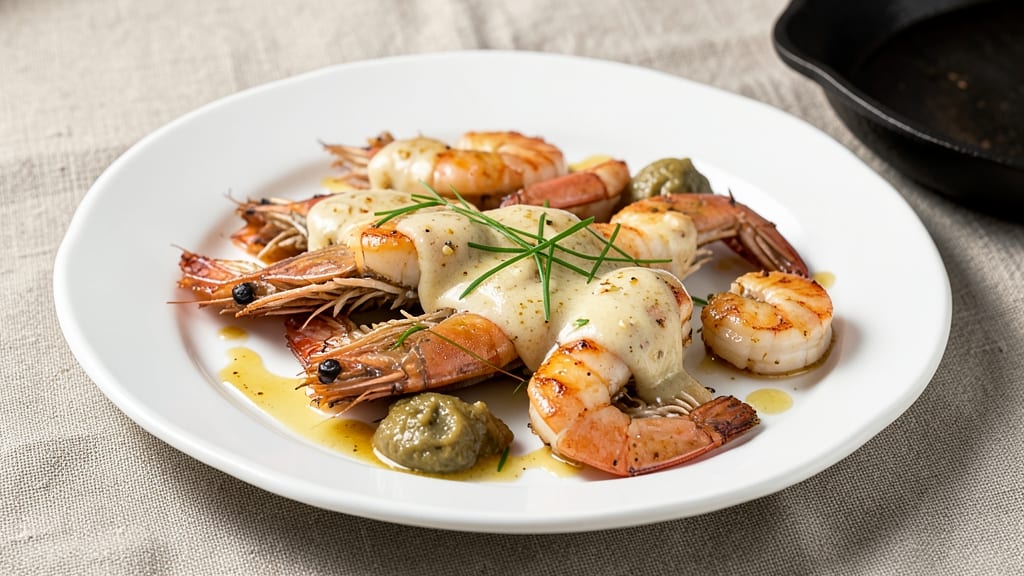
This shrimp Dijon recipe transforms simple shrimp into a restaurant-worthy dish with a rich, buttery garlic sauce that clings to every bite. The perfect balance of tangy Dijon, aromatic garlic, and velvety butter creates a sauce so flavorful, it turns a weeknight dinner into something special.
I developed this recipe after years of testing—each element is carefully measured to ensure the sauce doesn’t overpower the delicate shrimp but instead enhances its natural sweetness.
The secret lies in the sauce: a blend of Dijon mustard, garlic, and heavy cream simmered until thick and glossy. The shrimp cook just long enough to stay tender and juicy, absorbing the sauce without falling apart.
This dish is quick—ready in under 20 minutes—but feels like a gourmet creation. The buttery aroma alone will have everyone at the table asking for seconds.
Pair it with a simple side salad or crusty bread to soak up every last drop of that clinging sauce. The dish is light yet satisfying, making it ideal for dinner parties or a special weeknight treat.
Whether you’re serving guests or indulging in a solo meal, this shrimp Dijon recipe delivers restaurant-quality results with minimal effort.
No special equipment is needed—just a skillet and a few pantry staples. The recipe scales easily, so you can adjust the portion size without sacrificing flavor. Once you try this, shrimp nights will never be the same again.
Ingredients for shrimp dijon
Buttery garlic sauce meets delicate shrimp in this restaurant-worthy dish.
| Ingredient | Amount | Notes |
|---|---|---|
| Large Shrimp (Peeled and Deveined) 🦐 | 1 ½ lb | Wild-caught preferred, 21-25 count per pound |
| Unsalted Butter 🧈 | ½ cup | Cold, cut into small cubes |
| Garlic Cloves 🧄 | 6 cloves | Fresh, minced finely |
| Dijon Mustard 🍯 | 2 tbsp | High-quality, not prepared |
| Heavy Cream 🥛 | ½ cup | Full-fat for richness |
| Dry White Wine 🍷 | ¼ cup | Sauvignon Blanc preferred |
| Lemon Juice 🍋 | 1 tbsp | Freshly squeezed |
| Salt 🧂 | 1 tsp | Kosher or sea salt |
| Black Pepper 🌶️ | ½ tsp | Freshly ground |
| Fresh Parsley 🌿 | ¼ cup | Chopped, for garnish |
| Olive Oil 🫒 | 1 tbsp | For sautéing shrimp |
The shrimp is the star, so quality matters. Wild-caught shrimp has superior flavor and texture compared to farmed. Look for 21-25 count per pound at your local seafood market or grocery store's seafood counter—Whole Foods or Trader Joe's often carry excellent options. Freshness is key: if the shrimp smells fishy or looks dull, skip it. For the garlic, fresh is non-negotiable—jarred minced garlic lacks the aromatic depth. The butter should be unsalted to control seasoning perfectly, and cold cubes melt more evenly than softened butter. If you can't find wild-caught, frozen shrimp works in a pinch—just thaw it properly in the fridge overnight.
No white wine? Substitute shrimp or chicken stock for the same amount, but add a splash of lemon juice to brighten the sauce. Running low on heavy cream? Half-and-half works, though the sauce will be slightly lighter. The Dijon mustard is crucial—avoid prepared mustard, which contains vinegar and sugar. For a dairy-free option, swap the butter and heavy cream for olive oil and coconut cream, though the texture will differ slightly. The parsley is purely decorative, but if you're out, fresh chives or tarragon add a nice contrast. For extra richness, add a pinch of smoked paprika to the sauce, but omit if you prefer a cleaner flavor profile.
This dish reheats beautifully—simply warm the sauce and shrimp together over low heat, stirring gently to avoid breaking the shrimp. Store leftovers in an airtight container in the fridge for up to 3 days, though the sauce thickens further overnight, making it even more luxurious. For make-ahead prep, assemble everything except the shrimp and refrigerate the sauce separately. When ready to cook, simply toss the shrimp in the warm sauce. The sauce freezes well for up to 3 months, though the texture may separate slightly upon thawing—just stir vigorously to re-emulsify before using.
Why You'll Love This Recipe
- One-Pan Magic: I swear by this—just shrimp, butter, garlic, and a splash of cream. No extra bowls, no mess. The butter melts into the pan while the garlic sizzles, and by the time the shrimp hits the heat, everything’s ready to come together in minutes.
- Rich Without Effort: That Dijon mustard cuts through the richness of the butter and cream, giving it a tangy depth you’d expect from a restaurant dish. The shrimp stays juicy, and the sauce? Silky enough to make you forget it took less than 20 minutes.
- Weeknight to Dinner Party: Honestly, this is my go-to when I have guests over last-minute. The flavor’s sophisticated enough for company but simple enough that I’m not stressing. (Yes, even on a Tuesday night.) Serve it over rice, with crusty bread, or straight from the pan—it works every time.
- Leftovers That Don’t Suck: Between us, shrimp dishes often turn rubbery the next day. Not this one. The cream keeps it creamy, and the Dijon adds enough acidity to keep it from tasting stale. I’ll reheat a portion in the microwave with a splash of water—still tastes like it was just made.
Step-by-step instructions for shrimp with Dijon sauce
Here's how to create a luxurious shrimp dish with a velvety garlic-Dijon sauce that clings perfectly to every piece.
Sauté the Garlic in Butter Until Fragrant
In a large skillet, melt the 0.5 cup unsalted butter over medium heat. Once the butter has fully melted and begins to foam, add the 6 cloves minced garlic cloves. Cook for 1-2 minutes until the garlic becomes light golden and releases its aromatic scent—this is when it's ready to move forward.
Don't let the garlic burn; it should smell sweet and nutty, not bitter. If you see it darkening too quickly, reduce the heat slightly. The butter will provide the rich base for the sauce while the garlic infuses its flavor into every component.
Cook the Shrimp Until Just Done
Add the 1.5 lb large shrimp (peeled and deveined) to the skillet in a single layer. Season immediately with the 1 tsp salt and 0.5 tsp black pepper. Cook for 2-3 minutes per side over medium-high heat until the shrimp turns opaque pink and the edges curl slightly.
Shrimp cooks incredibly fast, so keep a close eye on them. They're done when they register 145°F internally and release easily from the pan. Remove the shrimp to a plate and tent loosely with foil to keep warm while you finish the sauce.
Build the Dijon Sauce with Wine and Cream
Return the skillet to medium heat and stir in the 2 tbsp Dijon mustard, letting it cook for 30 seconds to meld with the garlic butter. Pour in the 0.25 cup dry white wine, scraping up any browned bits from the bottom of the pan. Let it simmer for 2-3 minutes until reduced by half.
Next, add the 0.5 cup heavy cream and the 1 tbsp lemon juice. Stir constantly for 3-4 minutes until the sauce thickens slightly and coats the back of a spoon. The sauce should be smooth, glossy, and cling to the shrimp when you return them to the pan.
Finish with Parsley and Serve Immediately
Return the shrimp to the skillet and toss gently to coat evenly in the sauce. Stir in the 0.25 cup chopped fresh parsley and cook for an additional 1 minute to heat through completely. The sauce should now be silky, with a perfect balance of tangy Dijon, rich cream, and bright lemon.
Serve immediately over buttered pasta, with crusty bread, or alongside steamed asparagus. The shrimp should be tender with a delicate pink center, perfectly enrobed in the velvety garlic-Dijon sauce that clings to every bite.
Pro Tips For Making Shrimp Dijon
- Cook Shrimp in Batches: Don’t overload the pan—crowding steams the shrimp instead of searing them. Two minutes per side at high heat is all they need, and doing them in single layers guarantees crisp edges. (Yes, even if you’re impatient like me.)
- Sauté Garlic Low and Slow: After melting the butter, reduce heat to medium-low for the garlic. Burnt garlic ruins the dish faster than you can say “Dijon.” Two minutes max—just until fragrant, not golden.
- Whisk Mustard into Butter: Mix the Dijon into the melted butter before adding cream. This emulsifies the sauce instantly, preventing that awkward split where the sauce looks like it’s fighting itself. Stir like you mean it—no lazy half-hearted swirls.
- Finish with Cold Cream: Chill the heavy cream for 10 minutes before adding it to the pan. Warm cream turns the sauce greasy; cold cream tempers the heat and keeps the sauce silky. Trust me, your sauce will thank you.
Storing and reheating this dish
Refrigerator Storage
Store your shrimp Dijon leftovers in an airtight container with a lid, allowing the sauce to settle over the shrimp. I recommend glass containers like Pyrex for even reheating. Keep them refrigerated at 40°F or below for up to 3 days—the sauce will thicken slightly, becoming even more luxurious.
The shrimp stays tender, but the sauce may separate a bit, so give it a good stir before reheating. 💡
Freezer Prep Tips
For longer storage, freeze the sauce and shrimp separately in freezer-safe bags or containers. The sauce freezes beautifully for up to 3 months, though it may develop a thin layer of ice crystals on top. Thaw overnight in the fridge and stir vigorously to re-emulsify.
For the shrimp, freeze them raw in a single layer on a tray first to prevent clumping, then transfer to a bag. Cook directly from frozen in the sauce—just add 1 extra minute to the cooking time. ❄️
Reheating Sauce
To reheat the sauce alone, transfer it to a saucepan over low heat and warm gently, stirring constantly. If it thickens too much, add 1-2 tbsp water or heavy cream to restore its silky consistency.
Avoid boiling, or the sauce may curdle. For best results, reheat just until warmed through—3-4 minutes should do it. The garlic and Dijon flavors deepen with reheating, making it even more aromatic. 🔥
Reviving Shrimp
If reheating the shrimp with sauce, combine them in a skillet over medium-low heat and warm through for 2-3 minutes, stirring gently. The shrimp will absorb the sauce again, maintaining their tenderness.
If the sauce looks too thick, add a splash of warm water or broth to loosen it. Serve immediately to prevent the shrimp from overcooking or drying out. 🦐
Make-Ahead Sauce
Prepare the sauce ahead of time by making it up to the point before adding the shrimp. Store it in the fridge for up to 2 days or freeze for 3 months.
When ready to cook, simply warm the sauce in a skillet over medium heat, then add the shrimp and cook as directed. This shortcut saves time without sacrificing flavor—just ensure the sauce is fully heated before combining with the shrimp. 💛
Portioning for Meals
Divide leftovers into single-serving portions before storing to make reheating easier. I use small glass ramekins for individual servings—they reheat evenly and keep the shrimp from sticking. Label containers with the date to track freshness.
When reheating, focus on the sauce first, then add the shrimp to avoid overcooking. This method ensures every bite is just as delicious as the first. 🍽️
Nutrition facts
Frequently asked questions
Can I use frozen shrimp in this Dijon recipe?
Yes, but thaw them properly first! Place frozen shrimp in a sealed bag and submerge in cold water for 10-15 minutes or thaw overnight in the fridge. Pat them completely dry before cooking to prevent steaming. The texture will be just as tender when cooked properly.
What's the best way to adjust this for fewer servings?
For 2 servings, halve all ingredients: 0.75 lb shrimp, 0.25 cup butter, 1 tbsp Dijon, and 0.25 cup heavy cream. Keep the same cooking times to maintain flavor balance. The sauce will be even more decadent when concentrated!
Why did my sauce separate when reheating?
This happens when the sauce cools too quickly or is reheated too aggressively. Stir vigorously while warming over low heat, and add 1 tbsp warm water or cream to re-emulsify. The sauce should return to its silky texture—just give it a few extra minutes of gentle heat.
Can I make this dish dairy-free?
Replace the butter with olive oil or vegan butter and use coconut cream instead of heavy cream. The sauce will have a slightly different texture but still deliver that tangy Dijon flavor. Add a splash of lemon juice to brighten the dish.
What's the secret to perfectly cooked shrimp?
Cook shrimp over medium-high heat for exactly 2-3 minutes per side until they turn opaque pink at 145°F internally. Overcooking makes them rubbery—remove them just as they curl at the edges. A meat thermometer ensures perfect doneness every time!