
Main Courses
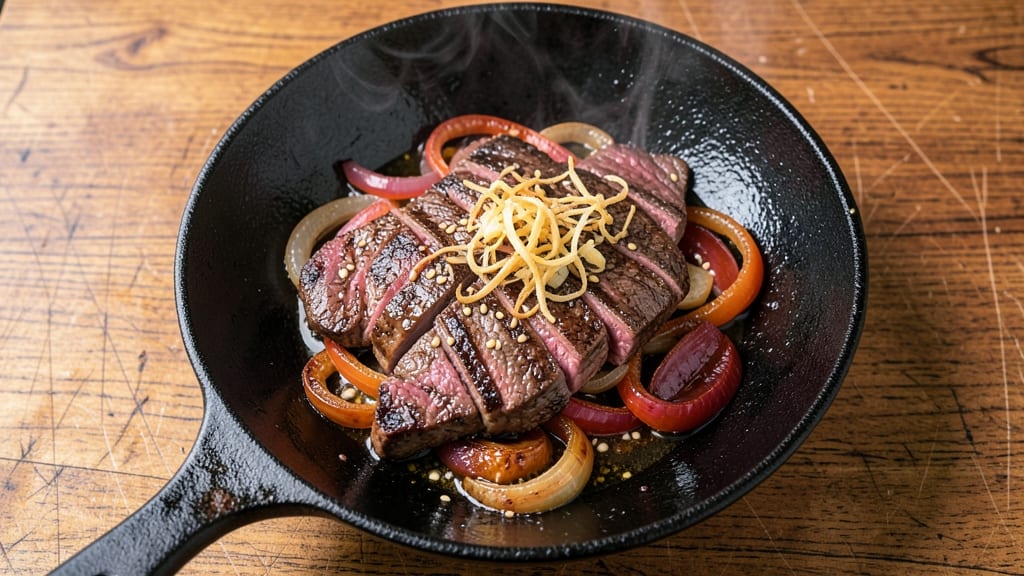
Mastering sizzling Chinese pepper steak with onions transforms a simple weeknight dinner into a restaurant-worthy experience. The secret lies in balancing fiery Sichuan peppercorns with tender beef and caramelized onions, creating a dish that crackles with heat and aroma.
I perfected this recipe after years of experimenting with stir-fry techniques, and the results are always impressive.
This recipe delivers bold flavors through precise preparation: thinly sliced beef marinated in a blend of soy sauce, cornstarch, and aromatic spices, then quickly seared in a screaming-hot wok.
The Sichuan peppercorns add that signature numbing heat, while the onions develop deep caramelization for sweet contrast. Every bite combines tender meat, crisp edges, and layers of spicy-sweet complexity.
The sizzling effect isn't just for show—it's essential for developing the Maillard reaction that creates deep flavor. You'll need a well-seasoned wok and high heat to achieve that signature crackle, but the technique is straightforward once mastered.
The dish serves four generously and pairs beautifully with steamed jasmine rice or noodles to soak up the rich sauce.
Whether you're cooking for a date night or feeding a crowd, this recipe delivers professional-quality results at home. The balance of textures—tender beef, crisp onions, and slightly chewy peppercorns—makes it a standout dish that always gets rave reviews. Let's get started on creating your perfect wok-hot masterpiece.
Ingredients for sizzling chinese pepper steak with onions
Precision-cut proteins and aromatic spices create this wok-hot masterpiece with caramelized crunch.
| Ingredient | Amount | Notes |
|---|---|---|
| Ribeye Steak 🥩 | 1 ½ lb | Thinly sliced against grain |
| Yellow Onions 🧅 | 2 large | Sliced into 1/4-inch strips |
| Sichuan Peppercorns 🌶️ | 1 tbsp | Crushed for authentic heat |
| Soy Sauce 🥄 | ⅓ cup | High-quality light soy |
| Cornstarch 🌾 | 2 tbsp | For tenderizing beef |
| Sesame Oil 🫒 | 1 ½ tbsp | Toasted for aroma |
| Garlic Cloves 🧄 | 4 cloves | Minced for depth |
| Ginger Root 🌿 | 1 tbsp | Finely grated fresh |
| Neutral Oil 🫒 | ½ cup | High smoke point preferred |
| Green Onions 🧅 | 4 whole | Sliced for garnish |
| Salt 🧂 | 1 ½ tsp | Diamond Crystal preferred |
| Black Pepper 🌶️ | 1 tsp | Freshly cracked |
| Sugar 🍬 | 1 tbsp | For caramelizing onions |
| White Wine 🍷 | ¼ cup | Dry variety for deglazing |
The ribeye steak is non-negotiable for this dish—its marbling ensures tender slices that hold up to the high-heat sear. Ask your butcher for ribeye cut into 1/4-inch thick slices, or use a meat slicer if you're ambitious. Yellow onions should be sweet varieties like Vidalia for optimal caramelization, but regular yellows work fine. Sichuan peppercorns are the heart of this recipe: toast them lightly in a dry pan before crushing to release their essential oils. For the best quality, source them from Asian markets or specialty spice shops—the pre-ground versions often lose potency quickly.
No Sichuan peppercorns? Substitute a mix of black pepper and cayenne for heat, though you'll miss the signature numbing sensation. The soy sauce can be swapped for tamari if gluten-free, but light soy provides the right balance. Cornstarch is crucial—it creates that signature wok-fried texture, so don't skip it. For the onions, use a mix of yellow and red for color contrast, but yellows caramelize more reliably. The sesame oil should be toasted, not flavored—look for it in the Asian foods aisle. If you can't find it, toast regular sesame oil in a pan for 30 seconds before using.
Store the Sichuan peppercorns in an airtight container away from light—they'll keep for up to 1 year. Prep the onions and beef ahead: marinate the steak for up to 2 hours before cooking, but don't exceed that time or the meat will get mushy. The caramelized onions can be made 1 day ahead and reheated gently in the wok before adding the beef. This dish reheats beautifully—keep portions in airtight containers for up to 3 days, though the texture is best fresh off the wok.
Why You'll Love This Recipe
- One-Pan Magic: I swear by this recipe when I’m too tired to scrub a million dishes. Toss the steak and onions in one screaming-hot pan, let the Sichuan peppercorns release that signature tingling heat, and boom—done. The cornstarch crust turns everything golden and crispy with almost no effort.
- Tingling Addiction: That first bite? The steak’s juicy with a caramelized edge, the onions sweet and jammy, and the Sichuan peppercorns deliver a slow-building warmth that lingers. It’s the kind of flavor that makes you reach for seconds without thinking—honestly, I’ve caught myself eating straight from the pan.
- Weeknight Hero: This dish works for lazy Tuesdays or impressing guests on Friday. Serve it over rice with a fried egg on top for a quick dinner, or plate it with steamed greens for a restaurant-worthy meal. My roommate, who claims to hate Chinese food, now asks for it weekly.
- Steakhouse Leftovers: The cornstarch coating keeps the steak tender even reheated, so I always make extra. Cold slices in a sandwich? Yes. Stir-fried with noodles the next day? Absolutely. And since ribeye isn’t cheap, stretching it this way saves me money without sacrificing taste—just don’t tell my wallet.
Step-by-step instructions for sizzling Chinese pepper steak with onions
Master this wok technique for perfectly seared steak with caramelized onions and numbing Sichuan heat.
Prepare the Steak and Marinade
Begin by slicing the ribeye steak thinly against the grain into strips about ¼-inch thick. Pat each strip dry with paper towels to remove any surface moisture—this ensures maximum contact with the hot wok. In a small bowl, combine the crushed sichuan peppercorns, 1 tablespoon of the sesame oil, 0.33 cup soy sauce, 1 tablespoon of the sugar, 1 teaspoon of the salt, and 1 teaspoon of the black pepper. Mix well to create the marinade.
Place the sliced steak in a resealable plastic bag and pour the marinade over it. Seal the bag and massage the marinade into the steak, coating every piece evenly. Let it marinate at room temperature for 15-20 minutes while you prepare the remaining ingredients. This brief marinating time is crucial—it tenderizes the beef slightly without overpowering its natural flavor.
Caramelize the Onions and Aromatics
Heat the 0.5 cup neutral oil in a wok or large skillet over medium heat. Add the sliced yellow onions and cook them slowly for 10-12 minutes, stirring occasionally, until they turn golden brown and caramelized. This process should take patience—you're developing deep sweetness that forms the base of the dish. If the onions begin to stick, gently stir them to prevent burning.
Once the onions are caramelized, remove them from the wok and set them aside. Add the minced garlic cloves and finely grated ginger root to the wok, cooking for 30 seconds until fragrant. This quick cooking preserves their bright flavors without letting them turn bitter. The wok should still have some residual oil from the onions, which will help prevent the garlic and ginger from sticking.
Sear the Steak and Deglaze
Increase the heat to high and add the remaining 1.5 tablespoons of sesame oil to the wok. Working in batches if necessary, add the marinated steak strips to the wok in a single layer. Let them sear undisturbed for 1-2 minutes until they develop a deep golden-brown crust on one side. This initial searing is critical—it locks in the juices and creates that signature sizzle.
Once the first side is crispy, stir the steak and cook for another 1-2 minutes until it's evenly browned and cooked to your preferred doneness. Remove the steak from the wok and set it aside. Pour in the 0.25 cup white wine, scraping up any browned bits from the bottom of the wok with a wooden spoon. This deglazing step captures all the flavorful fond that would otherwise be lost.
Combine and Finish the Dish
Return the steak to the wok along with the caramelized onions. Stir everything together and cook for an additional 1-2 minutes until the onions are heated through and the steak is evenly coated in the sauce. The dish should be sizzling hot, with the aroma of sesame oil and Sichuan peppercorns filling your kitchen. Taste and adjust seasoning if needed—you may need a touch more soy sauce or sugar to balance the flavors.
Garnish with the sliced green onions just before serving. The contrast between the crisp green onions and the rich, caramelized onions adds a fresh element to the dish. Serve immediately while the steak is still sizzling hot and the flavors are at their peak. This dish is best enjoyed straight from the wok, with the residual heat enhancing every bite.
Pro Tips For Making Sizzling Chinese Pepper Steak With Onions
- CRUSH PEPPERCORNS FINE: I used to toss whole Sichuan peppercorns in thinking "close enough" would work—until I tasted the difference. Toast them first in a dry pan for 30 seconds until fragrant, then grind them into a powder with a mortar and pestle (or spice grinder) so they release their numbing, citrusy magic into the onions and sauce. No grinding? At least crush them with the flat side of a knife—it makes a real difference.
- SEAR STEAK IN BATCHES: Ribeye loves heat, but if you crowd the pan, you’ll steam the meat instead of sear it. Cut the steak into strips (about 1-inch thick) and work in two batches—let the first set get a deep crust before adding the second. Use a 12-inch skillet and about 2 tablespoons of oil (enough to coat the bottom). Your future self will thank you when the edges turn mahogany.
- CHAR ONIONS UNTIL BLACK: The onions should be caramelized to the point of near-char—dark brown with crispy edges—before adding the soy sauce. This isn’t about burning them; it’s about developing that deep, sweet umami base. Walk away for 2-3 minutes if needed, and resist stirring constantly. The longer they sit, the richer the flavor.
- SLURRY CORNSTARCH WITH SOY: Mixing cornstarch dry with soy sauce creates lumps that turn your sauce into glue. Instead, whisk 1 tablespoon cornstarch with 2 tablespoons cold water first, then stir that slurry into the soy sauce. Heat the sauce gently after adding the steak so the cornstarch thickens evenly—no clumps, no sticky mess. Sounds weird, but it works.
Flavor customization for this recipe
Spice Level Control
Adjust the Sichuan peppercorn heat by toasting them longer for more intensity or crushing them finer for a milder, numbing effect. For mild heat, use 1 teaspoon crushed instead of 1 tablespoon. If you want extra kick, add ½ teaspoon of chili flakes at the end.
I find 10-15 seconds of toasting in a dry pan before crushing gives the perfect balance of heat and aroma. 🌶️
Sweet-Spicy Balance
The sugar in the marinade caramelizes during cooking, creating a sweet contrast to the spicy Sichuan peppercorns. For a sweeter profile, add 1 extra tablespoon of sugar to the marinade. For tangy depth, replace 1 tablespoon of soy sauce with 1 tablespoon of rice vinegar.
I often adjust this based on the sweetness of my onions—Vidalia onions need less sugar than regular yellows. 🍬
Umami Boost Options
Enhance the savory depth by adding 1 tablespoon of hoisin sauce to the marinade or 1 teaspoon of fish sauce to the deglazing wine. For a richer flavor, stir in 1 tablespoon of oyster sauce during the final 1-2 minutes of cooking.
I keep these on hand for quick umami upgrades when I want extra complexity. 🥄
Texture Variations
For extra crispy onions, cook them for 15-20 minutes until deep brown and slightly charred. For softer onions, reduce to 8-10 minutes. To make the steak extra tender, marinate it for 30 minutes instead of 15-20 minutes—just be careful not to over-marinate.
I sometimes add 1 teaspoon of baking soda to the marinade for 5 minutes to tenderize thicker cuts. 🥩
Herb and Aroma Additions
Brighten the dish with 1 tablespoon of fresh cilantro or 1 teaspoon of dried thyme in the marinade. For a garlicky punch, add 2 extra cloves of minced garlic.
I love adding ½ teaspoon of star anise to the marinade for a subtle anise note that pairs beautifully with the peppercorns. Remove it before serving if you prefer a cleaner flavor. 🧄
Wine and Broth Substitutes
Replace the white wine with ¼ cup beef broth for a richer base or ¼ cup apple cider vinegar for tang. For a dry heat version, skip the deglazing entirely and use 1 tablespoon of dry sherry instead.
I find dry sherry adds a lovely nutty depth that complements the peppercorns perfectly. 🍷
Nutrition facts
Frequently asked questions
Why does my steak turn out tough instead of tender?
Overcooking is the most common cause. This dish relies on quick, high-heat searing—cook the steak for only 1-2 minutes total in the wok. Also, ensure your beef is sliced thinly against the grain and marinated for no longer than 20 minutes. Thicker cuts or longer marinating times can make the meat mushy.
How do I get that authentic sizzling sound without burning the dish?
Use a well-seasoned wok or cast-iron skillet on high heat with enough oil (about 1.5 tablespoons sesame oil) to create steam when adding the steak. Work in batches if needed, and keep the heat consistent—medium-high is ideal. The sizzle comes from the Maillard reaction, not burning!
Can I substitute ribeye with another cut of beef?
Yes, but choose tender cuts like sirloin or flank steak. Avoid tougher cuts like chuck—they won't tenderize properly in this quick cooking method. If using a thicker cut, slice it 1/8-inch thick and reduce marinating time to 10 minutes to prevent over-tenderizing.
What's the best way to store leftovers?
Store in an airtight container in the fridge for up to 3 days. Reheat gently in a pan with a splash of water to restore moisture. For longer storage, freeze portions for up to 1 month, but note the texture may be slightly softer after thawing. Always reheat to 165°F for safety.
How can I make this dish less spicy?
Reduce the Sichuan peppercorns to 1 teaspoon crushed (instead of 1 tablespoon) and skip the optional chili flakes. For a milder numbing effect, toast the peppercorns for only 5 seconds before crushing. You can also add ½ teaspoon of sugar to balance residual heat.