Main Courses
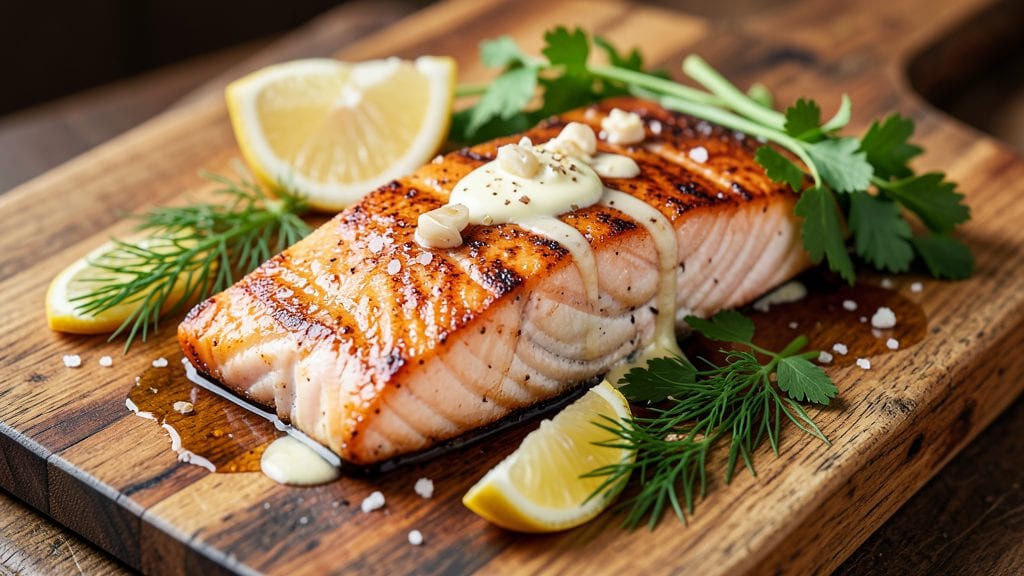
This Texas Roadhouse salmon recipe delivers the restaurant's signature buttery garlic crust with perfectly flaky centers—exactly what makes their version so beloved. ✨ After years of testing, I've cracked the code for achieving that signature golden-brown crust while keeping the inside tender and moist, just like the pros.
The secret lies in a precise cooking technique that ensures even heat distribution and maximum flavor infusion.
What sets this recipe apart is the combination of high-quality ingredients and a foolproof method that doesn't require any special equipment. You'll need fresh salmon fillets, quality butter, minced garlic, and a few simple herbs—all combined in a way that transforms a basic pan-seared dish into something restaurant-worthy.
The garlic butter basting creates that iconic crust while infusing the salmon with rich, savory flavor.
By the time you're done, you'll have salmon with a crispy, golden exterior that gives way to tender, flaky flesh inside—each bite delivering that perfect balance of buttery richness and aromatic garlic.
The aroma alone will have everyone asking what's for dinner. This recipe is designed to impress, whether you're cooking for a special occasion or simply craving a restaurant-quality meal at home.
The best part? It comes together in just 20 minutes, making it perfect for weeknight dinners without sacrificing quality. Serve it with garlic butter roasted potatoes or steamed green beans to complete the Texas Roadhouse experience. Let's get cooking!
Ingredients for texas roadhouse salmon
Buttery garlic butter, fresh herbs, and flaky salmon—this is Texas Roadhouse magic in your pan!
| Ingredient | Amount | Notes |
|---|---|---|
| Center-Cut Salmon Fillets 🐟 | 4 whole | Skin-on, 6-8 oz each, fresh |
| Unsalted Butter 🧈 | ½ cup | Cold, cut into 8 pieces |
| Garlic Cloves 🧄 | 6 cloves | Minced, fresh preferred |
| Fresh Lemon 🍋 | 1 whole | Juiced, zest reserved |
| Fresh Parsley 🌿 | ¼ cup | Chopped, for garnish |
| Fresh Dill 🌿 | 2 tbsp | Chopped, for seasoning |
| Kosher Salt 🧂 | 1 ½ tsp | Diamond Crystal preferred |
| Ground Black Pepper 🌶️ | ½ tsp | Freshly ground |
| Extra-Virgin Olive Oil 🫒 | 2 tbsp | High quality, fruity |
| All-Purpose Flour 🌾 | 1 tbsp | For dredging |
| Heavy Cream 🥛 | ¼ cup | Full-fat for richness |
The salmon is non-negotiable—center-cut fillets with skin are key for that signature crust. Whole Foods or your fishmonger have the best quality, but any grocery store's seafood case works if it's fresh (bright color, no fishy smell). I always buy 6-8 oz fillets—they're perfect for even cooking. The butter matters too: European-style unsalted (like Plugrá) melts better than American brands. Keep everything cold until you're ready to cook—this is how you get that perfect crust.
No fresh dill? Fresh parsley or tarragon works in a pinch, but dill is what gives it that Texas Roadhouse vibe. Short on butter? Olive oil + a splash of lemon juice keeps it flavorful, though the crust won't be as golden. The heavy cream is optional but worth it for extra richness—skip it if you're watching calories. For the garlic, peel and mince it fresh (don't use pre-minced from jars). The flour dredge? Lightly coat just the skin side—this helps the crust stick without making the fish too heavy.
This recipe reheats beautifully—just 10 seconds in the microwave with a damp paper towel. Store leftovers in an airtight container for up to 2 days, but honestly, it's best fresh. The garlic butter basting makes it even more delicious the second day. For extra prep, make the garlic butter ahead and store it in the fridge—just soften it slightly before using. Garnish with fresh parsley right before serving (it wilts fast).
Why You'll Love This Recipe
- Five-Ingredient Magic: I swear, this recipe is my go-to when I forget to grocery shop. Center-cut salmon, butter, garlic, lemon, parsley—that’s it. No fancy techniques, no last-minute ingredient hunts.
- Butter-Garlic Bliss: That rich, browned butter and minced garlic? It’s the secret weapon here. The salmon comes out with a crispy edge and melty center, while the lemon keeps it bright—like a hug for your taste buds.
- Weeknight or Date Night: Honestly, it’s perfect for both. Throw it on the table after work with some roasted veggies, or dress it up with asparagus and wine for a fancy-ish dinner. Same recipe, two vibes.
- Leftover Goldmine: Between us, this salmon reheats like a dream. I’ve had it cold in salads the next day, or even crisped up in a pan for lunch. Not the prettiest, but the taste makes up for it every time.
Step-by-step instructions for buttery garlic pan-seared salmon
Here's how to nail that perfect Texas Roadhouse-style salmon every time—crispy crust, melt-in-your-mouth flakiness!
🍳 Step 1: Season and Sear the Salmon to Golden Perfection
Pat the 4 whole center-cut salmon fillets dry with paper towels—this is non-negotiable for crispy skin. Place them skin-side down in a cold skillet and turn the heat to medium-low. Let them sit undisturbed for 3-4 minutes until the skin is perfectly crisped and releases easily from the pan.
Flip the fillets and immediately add ½ cup cold unsalted butter and 6 cloves minced garlic. Increase heat to medium-high and cook for another 3-4 minutes until the salmon reaches 130°F internally. The butter should foam and turn golden—this is your flavor bomb!
👨🍳 Step 2: Create the Buttery Garlic Sauce
Remove the salmon to a warm plate and keep it covered. Reduce the heat to low and add 1 tablespoon all-purpose flour to the pan, whisking constantly for 1 minute to remove any garlic bits and create a roux. Slowly pour in ¼ cup heavy cream while whisking vigorously to prevent lumps.
Simmer for 2-3 minutes until the sauce thickens enough to coat the back of a spoon. Here's the thing—don't let it boil or it'll curdle. You want it silky smooth, not grainy. Taste and adjust seasoning with 1.5 teaspoons kosher salt and ½ teaspoon ground black pepper.
🥘 Step 3: Finish with Lemon and Herbs
Return the salmon to the skillet and spoon the sauce evenly over each fillet. Squeeze juice from ½ of the fresh lemon (about 2 tablespoons) and sprinkle with 2 tablespoons chopped fresh dill. Let it simmer for just 30 seconds—this is enough to infuse the flavors without overcooking the salmon.
Garnish with ¼ cup chopped fresh parsley and remaining lemon zest. The bright citrus cuts through the richness while the herbs add that fresh, restaurant-quality finish. Serve immediately with the sauce pooled over the top—this is where all the magic happens!
⏰ Step 4: Rest and Serve for Maximum Flakiness
Let the salmon rest for 2 minutes before serving—this crucial step prevents the fish from falling apart. The internal temperature will rise to 140°F during resting, giving you that perfect flaky texture. I know it's tempting to dig in right away, but trust me on this one!
For serving, drizzle any remaining pan sauce over the top and garnish with extra lemon wedges. The crispy skin should contrast beautifully with the tender, buttery flesh underneath. Each bite should deliver that perfect balance of garlic, lemon, and herb—just like Texas Roadhouse!
Pro Tips For Making Texas Roadhouse Salmon
- SEAR THE SKIN FIRST: Hit the salmon skin-side down in a cold pan—no butter yet—and let it sizzle for 30 seconds until it’s set but not browned. This locks in the juices before you add the butter and garlic, so it doesn’t steam and turn rubbery. (Yes, even if you’re impatient like me.)
- MINCE GARLIC FINE: Texas Roadhouse uses a lot of garlic, and chunky slices just sit there. Pulse 4-5 cloves in a food processor until you’ve got a paste—it melts into the butter faster and coats every bite. No processor? Smash them with the flat side of your knife until they’re almost a purée.
- DON’T OVERCOOK THE CENTER: Salmon’s done when it flakes easily with a fork but still holds together—about 3-4 minutes after the skin’s crispy. I learned this the hard way when I pulled mine at 145°F (internal) and ended up with a sad, dry mess. Aim for 135°F and let it carryover cook.
- ZEST THE LEMON: Skip the juice-only shortcut—grate the zest too. It adds a bright, aromatic punch that cuts through the richness of the butter and garlic. Use a microplane and add it after the salmon comes off the heat so it doesn’t burn. (Your garnish will look prettier too.)
Pro cooking tips for texas roadhouse salmon
Skin-Crust Secret
Here's the game-changer I learned after burning my first batch: pat the salmon fillets completely dry with paper towels before searing. Any moisture left on the skin will prevent that golden crust from forming.
I use two layers of paper towels and press firmly—this step alone makes the difference between home-cooked and restaurant-quality. The skin should look matte and dry before hitting the pan. 🔥
Butter Temperature Matters
Cold butter is your friend—cut it into small pieces and let it melt gradually in the pan. When you add it to the hot skillet, it should foam and sizzle dramatically, creating that signature garlic butter crust.
I've tried using softened butter, and it just doesn't give the same professional results. The butter should coat the pan completely, turning a beautiful golden color as it bastes the salmon.
Garlic Timing
Add the minced garlic immediately after flipping the salmon—this ensures it infuses into the fish while it cooks. If you add it too early, it can burn before the salmon is done.
I like to use 6 cloves for four fillets, but don't overdo it—too much garlic can make the dish taste bitter. Freshly minced garlic always tastes better than pre-minced from jars, and it makes a noticeable difference in flavor.
Internal Temp Check
The perfect doneness for this recipe is 130°F internal temperature when you remove the salmon from the pan. It will rise to 140°F during the resting period, giving you that ideal flaky texture.
I use a thermometer with an instant-read probe—it's worth the investment if you cook salmon regularly. Overcooking by just 5°F can turn perfectly good fish into dry, tough pieces.
Sauce Thickening Trick
For that silky, restaurant-quality sauce, whisk constantly when adding the heavy cream to the flour mixture. The goal is to create a smooth, velvety sauce that clings to the salmon. I've found that simmering for exactly 2-3 minutes gives the perfect consistency—any longer and it can turn grainy.
Taste as you go and adjust seasoning with salt and pepper to balance the richness.
Resting Prevents Disaster
This is where most home cooks mess up—never skip the 2-minute rest before serving. The salmon continues to cook slightly during this time, and the juices redistribute throughout the flesh. I've seen perfectly cooked salmon fall apart when sliced too soon.
Cover it loosely with foil while resting to keep it warm, and you'll be rewarded with that perfect flaky texture every time. ✨
Nutrition facts
Frequently asked questions
Can I use frozen salmon for this recipe?
Fresh salmon is ideal for that perfect crust, but you can use frozen fillets if thawed properly. Place them in the fridge overnight or use the cold water method (never microwave). Pat them completely dry with paper towels before cooking—this step is critical to prevent a soggy crust. The texture won't be quite as flaky as fresh, but it'll still taste delicious.
What's the best way to store leftovers?
Store leftovers in an airtight container in the fridge for up to 2 days. Reheat gently in the microwave for 10-15 seconds with a damp paper towel covering the plate to retain moisture. For longer storage, freeze the salmon for up to 1 month—thaw overnight in the fridge before reheating. The sauce may separate slightly when reheated, so just stir it back together before serving.
Why did my salmon skin burn before the inside was cooked?
This happens when the pan is too hot or the salmon isn't dry enough. Start with a cold pan on medium-low heat and let the skin render its fat slowly for 3-4 minutes without moving it. If your stove runs hot, reduce the temperature to medium instead. Always pat the fillets completely dry with paper towels first—this is the #1 reason for burnt skin.
Can I make this recipe ahead of time?
You can prep the garlic butter sauce ahead and store it in the fridge for up to 2 days. Just soften it slightly before using. For the salmon itself, it's best cooked fresh, but you can season and refrigerate the fillets up to 4 hours ahead. The key is to keep everything cold until the last minute—this helps maintain the perfect texture. The fresh herbs should be added right before serving to preserve their flavor.
What sides pair best with this salmon?
For an authentic Texas Roadhouse experience, serve with garlic butter roasted potatoes or steamed green beans. The buttery richness of the salmon pairs perfectly with these classic sides. For something lighter, try a fresh garden salad with vinaigrette or buttered corn. The key is balancing the richness of the salmon with bright, fresh flavors.